


In an oily skin routine, the job is to manage shine without drying the skin out. Harsh cleansing and skipping moisturiser may give a matte feel for a short while, but they can irritate the skin; a balanced routine relies on a small number of steps done in the right order and at the right frequency.
In short: An oily skin routine runs in this order: in the morning, cleanser, niacinamide serum, a lightweight, water-based moisturiser and a sunscreen with a matte finish; in the evening, cleanser, salicylic acid toner, serum and moisturiser. Start the toner on 2–3 evenings a week and skip the toner step on the other evenings. Wash your face twice a day and after heavy sweating; shine during the day is managed not by washing again but by blotting the oil and reapplying sunscreen.
What should a morning and evening routine for oily skin look like?
An oily skin routine has three set-ups: the same four steps every morning, a toner evening 2–3 times a week with the salicylic acid toner added, and a toner-free evening on the remaining days. The same set-up works for men's skin alongside a shaving step; where the acid product goes on shaving days is explained in our men's skincare guide.
| Step | Morning | Toner evening | Toner-free evening |
|---|---|---|---|
| 1. Cleanser | Magic Foam Party | Magic Foam Party | Magic Foam Party |
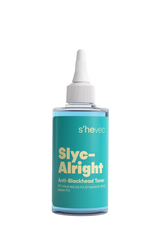
| 2. Toner | None | Slyc-Alright (start with 2–3 evenings a week) | None |
| 3. Serum | Hi Girls Bye Pores | Hi Girls Bye Pores (after the toner has absorbed) | Hi Girls Bye Pores |
| 4. Moisturiser | Any Time Of Day | Any Time Of Day | Any Time Of Day |
| 5. Sunscreen | Matte's Up? SPF 50+ | None | None |
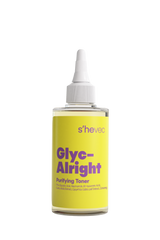
Slyc-Alright Salicylic Acid (BHA) Toner contains 2% salicylic acid (BHA) and 1.2% AHA; it contains no alcohol, its pH range is 3.9–4.2, and it is applied in the evening with a cotton pad and not rinsed off. In the INCI list, salicylic acid is in fifth place; glycolic acid is not a key active – it is part of the low-concentration AHA complex, in the second half of the list after the preservatives. If there is no dryness, tightness or lasting stinging, increase the frequency gradually. If rough texture and uneven tone matter more to you than blackheads, Glyc-Alright can be used for the toner step; the two toners are not applied on the same evening.
Hi Girls Bye Pores Niacinamide Pore Serum contains 10% niacinamide and 0.5% zinc PCA; it is used 1–2 times a day, after toner and before moisturiser. At the level of general mechanisms, a review on niacinamide mentions concentration-dependent sebostatic (sebum-regulating) effects for this ingredient and describes it as a well-tolerated ingredient widely used in cosmetics. At product level, what the serum does is limited to appearance: it helps balance the look of sebum and shine. The last step of the morning is Matte's Up? SPF 50+ Mattifying Sunscreen: it contains niacinamide and zinc PCA, has a matte finish and was developed for oily, combination and normal skin. Whether sunscreen makes skin shiny, and what to look for on oily skin, is covered in our article choosing a sunscreen for oily skin.
What causes oily skin, and why does it shine?
Oily skin results from the oil glands producing excess sebum. According to a review by Sakuma and Maibach, oiliness can vary with diet, age, sex, ethnicity and a hot, humid climate; this is why the same skin can shine more in hot and humid weather. What sebum is, why the face gets oily and what the phrase “sebum balance” means are covered in our article on what sebum is.
How should oily skin be cleansed?
Oily skin is washed in the morning, in the evening and after heavy sweating with a gentle cleanser; the American Academy of Dermatology (AAD) recommends limiting washing to these situations, notes that sweat irritates the skin, especially under a hat or helmet, and says the face should be washed as soon as possible after sweating. The AAD's technique is short: a non-abrasive cleanser without alcohol, lukewarm water, fingertips, washing without scrubbing and patting dry with a soft towel.
The Magic Foam Party Foaming Face Cleanser in the routine contains 2% niacinamide with Centella asiatica (CICA) and PHA; it is SLS-free and paraben-free. The PHA in it stays on the skin only briefly in a rinse-off formula; this is why the foam does not replace the evening salicylic acid toner and takes on only the cleansing step. You can find the products in this routine, and other options suited to this skin type, among our care products for oily skin.
Why shouldn't you skip moisturiser?
Shine comes from sebum; the skin's water balance is a separate need, and oil on the surface does not meet it. This is why the hydration step is not skipped on shiny skin either; only the texture is chosen to be light and water-based. Any Time Of Day in this routine is water-based and silicone-free; what to look for in texture and ingredients is covered in detail in our guide choosing a lightweight, water-based moisturiser for oily skin.
How do you control shine during the day?
Shine during the day is managed not by washing your face again but by blotting the excess oil with a clean tissue and reapplying sunscreen on top without wiping it off. Do not skip reapplication because shine has increased; how often to reapply when you are outdoors, and how to do it over make-up, is covered in our article how much sunscreen to apply and how often. Heavy sweating, however, calls not for blotting but for one of the washing situations above.
What should you avoid with oily skin?
The most common mistake with oily skin is trying to tackle shine with frequent washing, scrubbing and layering acids.
- Washing often and scrubbing: going beyond the washing rule above is not the answer to shine; scrubbing and using a washcloth or mesh sponge irritate the skin.
- More than one acid on the same evening: according to the directions for Slyc-Alright, no retinol, peel or other acid toner is added on an evening when you use the toner; if you also use Glyc-Alright, the two toners go on different evenings. The Red Of Love AHA/BHA Peel Serum is not scheduled on the same day as toner evenings either.
- Going beyond the frequency on the label: the FDA advises following the directions on the label of products containing BHA and not exceeding the recommended number of applications.
- Going out without sun protection while using an acid toner: Slyc-Alright and Glyc-Alright contain AHAs. AHAs can increase the skin's sensitivity to the sun: apply sunscreen every morning while using this product and for one week after you stop.
What does an oily skin routine not do?
The routine manages the look of shine and pores; it does not change the skin's oil production or structure.
- It does not stop sebum production; because the oil glands keep working, controlling shine during the day remains part of the routine every day.
- It does not change the structural size of pores.
- It cannot be judged after a single use; changes are monitored over regular use.
When should you see a doctor?
In the following situations, see a doctor instead of continuing the routine.
- Painful, deep and recurring bumps: this goes beyond the look of shine and pores; rather than trying to manage it yourself with toner and serum, have your doctor assess the cause.
- If you get stinging that does not go away, or ongoing irritation, after using the salicylic acid toner, stop using the toner and consult a doctor.
- If you are allergic to salicylates or acetylsalicylic acid (aspirin), consult your doctor before starting a salicylic acid toner. If you are pregnant or breastfeeding, or have a skin condition, consult your doctor before use.
Frequently asked questions
Is a toner essential for oily skin?
It is not essential; the basic routine consists of cleansing, moisturising and sun protection. If the look of blackheads and clogged pores is your priority, a salicylic acid toner adds an evening step to this base.
Should you start all the products in the routine at the same time?
No. Magic Foam Party, Hi Girls Bye Pores, Any Time Of Day and Matte's Up? all contain niacinamide; add the products one at a time and do a patch test on the inner forearm before each new product. If redness occurs, first reduce how often you use the serum. You can also work out your own morning and evening order based on your priorities with the routine builder.
Can oily skin use a cleansing oil?
Yes; on evenings when you have worn make-up or sunscreen, first dissolve the make-up with a cleansing oil or with Mic Drop micellar cleansing water, then wash with a foaming cleanser. On mornings without make-up, a single cleanse is enough.
Should oily skin be cared for differently in summer and winter?
In summer, lighter textures and a matte finish come to the fore. If your skin feels tight in winter, a hydrating serum developed for all skin types, such as Hydra Back Baby, can be added before moisturiser.
Can you use a mask on oily skin?
Yes, as a complementary step; how to apply a peel-off mask and how to keep it separate from toner evenings are covered in our guide how to use a peel-off mask.
Sources
- Sakuma TH et al. Oily skin: an overview. Skin Pharmacol Physiol. 2012.
- American Academy of Dermatology (AAD). Face washing 101.
- Wohlrab J et al. Niacinamide - mechanisms of action and its topical use in dermatology. Skin Pharmacol Physiol. 2014.
- U.S. Food and Drug Administration (FDA). Beta Hydroxy Acids.
This content is for information only and does not replace medical advice. s'hevec products are cosmetic products and are not intended for medical treatment. It was prepared by the s'hevec Team on the basis of the s'hevec product data library and the sources listed above.


