


Visible pores on the nose, forehead and cheeks are often expected to be fixed by a single product. In fact, there is more than one reason they become noticeable, and which care step will help depends on that reason.
In short: Pores become more visible for three main reasons: excess sebum, loss of elasticity around the pore and increased hair follicle volume. Pores do not shrink or close; the aim of skincare is a less noticeable look. If shine is your priority, use a 10% niacinamide serum (Hi Girls Bye Pores); if pores are clogged, use a 2% salicylic acid toner in the evening (Slyc-Alright, starting with 2–3 evenings a week); and apply sunscreen every morning.
Why do pores get larger and more visible?
According to a review on pores, there are three main reasons they become more visible: high sebum secretion, reduced elasticity around the pore and increased hair follicle volume. A pore is the opening of a hair follicle and its attached oil gland onto the skin's surface; sebum reaches the surface through this opening. The same review notes that recurring blemishes, sex hormones and the skincare routine used can also affect pore size. The review describes visible pores not as a health problem but as a cosmetic concern, and because the causes vary from person to person, it recommends choosing the method according to the cause.
Which care step for which cause?
The right step depends on why the pore looks visible; the table below matches each cause with its counterpart in a s'hevec routine.
| Cause | How to recognise it | Care step |
|---|---|---|
| Excess sebum | Shine during the day, pores that look large in the T-zone | Hi Girls Bye Pores: 10% niacinamide, 0.5% zinc PCA; 1–2 times a day |
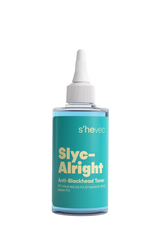
| Clogging at the pore opening | Blackheads, pores that look clogged | Slyc-Alright: 2% salicylic acid, pH 3.9–4.2; evening |
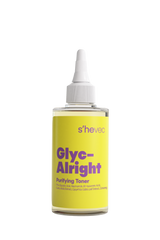
| Rough surface texture | A surface that feels rough and looks dull | Glyc-Alright: 7% glycolic acid, pH 3.5–4.0; evening |
| Loss of elasticity | Pores that look more visible as the skin slackens | Sunscreen every morning; skincare products have a limited effect on this cause |
| Hair follicle volume | Pores that look large even on clean, shine-free skin | Outside the scope of cosmetic care |
Can pores shrink or close?
No; pores are a normal part of the skin's structure, their size is largely structural, and no toner, serum or mask closes them. As build-up in the pore opening clears and shine decreases, the pore draws less attention; that is the achievable goal. The limits of skincare can be summed up as follows:
- Cosmetic products cannot change pore size that comes from hair follicle volume.
- Skincare does not stop sebum production; when you stop the routine, shine and build-up can become noticeable again.
- Pitted scars are not pores; a toner or serum does not correct these scars.
- Peel-off masks do not change the structure of the pore either; we explain what they do and do not do in our peel-off mask guide.
Which ingredients are used for visible pores?
Three ingredients stand out for visible pores: niacinamide on the sebum side, salicylic acid on the clogging side and glycolic acid on the surface-texture side.
- Niacinamide: the amide form of vitamin B3. A scientific review describes its concentration-dependent effect in regulating sebum secretion (sebostatic) and refers to it as a well-tolerated ingredient widely used in cosmetics. Hi Girls Bye Pores Pore Serum contains 10% niacinamide and 0.5% zinc PCA, plus the patented ingredient Dendriclear™.
- Salicylic acid (BHA): exfoliates the uppermost layer of the skin; it works by loosening the bonds between cells and is known for helping to unclog pores (comedolytic). Slyc-Alright Salicylic Acid (BHA) Toner is an evening toner with 2% salicylic acid and 1.2% AHA that contains no alcohol; it does not contain niacinamide.
- Glycolic acid (AHA): as the FDA describes it, AHAs work as exfoliants just as BHAs do; glycolic acid helps shed dead cells from the surface. Glyc-Alright Glycolic Acid Toner contains 7% glycolic acid and 2% niacinamide; it is applied in the evening with a cotton pad and left on.
Toner or serum for pores?
If you have clogging and blackheads, choose a BHA toner first; if shine and sebum are the priority, choose a niacinamide serum first; if you have both, the two can sit in the same routine. All pore-focused options, including masks and cleansers, can be found in our collection of products for visible pores.
- Clogged pores, blackheads: Slyc-Alright, starting with 2–3 evenings a week; if there is no tightness or flaking around the nose and chin, increase the frequency gradually. If occasional bumps also appear alongside blackheads, we cover how to build a routine for blemish-prone skin, from cleansing to moisturiser, separately.
- Shine, oiliness: Hi Girls Bye Pores, 1–2 times a day; on sensitive skin, start with once a day.
- Both together: as Slyc-Alright contains no niacinamide, the two products do not duplicate each other; on the same evening, the toner goes on first, then the serum. We give the step-by-step order in our niacinamide serum guide.
- If rough texture and dullness dominate: consider Glyc-Alright instead of Slyc-Alright for the toner step.
The FDA advises the same precautions for cosmetics containing AHAs and BHAs: test the product on a small area first, do not exceed the application frequency on the label and use sun protection while using it. Glyc-Alright and Slyc-Alright both contain AHAs. AHAs can increase the skin's sensitivity to the sun: apply sunscreen every morning while using this product and for one week after you stop.
Does squeezing pores help?
No; squeezing pores or trying to open them with needles or metal tools irritates the skin and does not improve the look of pores. We explain whether the dark dots on the nose are blackheads or sebaceous filaments, and why they should not be squeezed, in our guide to the look of blackheads.
When should you see a doctor?
- Bumps under the skin that are painful, sit deep or spread over a large part of the face are not explained by visible pores and are not something to address with a toner or serum; show them to your doctor to find out the cause.
- If stinging after Slyc-Alright or Glyc-Alright does not settle within minutes, or redness is still there the next morning, stop using the toner; the FDA advises consulting a doctor if irritation and stinging persist with acid products.
- If the width of your pores comes from hair follicle volume or loss of elasticity, the method is chosen individually according to the cause, as the review recommends; you can discuss procedure options with your doctor.
- If you are pregnant or breastfeeding, or have a skin condition, consult your doctor before use. At the appointment, mention that you would like to use a toner with salicylic or glycolic acid.
Frequently asked questions
Can pores be visible on dry skin too?
They can. The look of pores is affected not only by sebum but also by the elasticity around the pore and hair follicle volume, which is why pores can look visible on skin that is not oily. Dry skin is not listed on the label of Glyc-Alright; if you use it on dry skin, keep it to 1–2 evenings a week. For very dry or sensitive skin, you can start the toner step with Rice Rice Baby, which contains no exfoliating acids, instead of an acid toner.
Do hormones and your skincare routine affect the look of pores?
The review on pores lists sex hormones and the skincare routine used among the factors that can affect pore size. Skincare products cannot alter changes driven by hormones; on the routine side, it makes sense to choose products according to the cause.
Can Glyc-Alright and Slyc-Alright be used on the same evening?
No; do not layer two acid toners on the same evening. If you use both, keep them to different evenings and adjust the frequency to your skin's response.
Are blackheads and visible pores the same thing?
No. A blackhead is a plug that builds up in the pore opening and looks dark at the surface; with a visible pore, what draws attention is the opening itself. Once the plug clears, the pore can look less visible, but the opening stays.
Sources
- Lee SJ et al. Facial Pores: Definition, Causes, and Treatment Options. Dermatol Surg. 2016.
- Wohlrab J et al. Niacinamide - mechanisms of action and its topical use in dermatology. Skin Pharmacol Physiol. 2014.
- Arif T. Salicylic acid as a peeling agent: a comprehensive review. Clin Cosmet Investig Dermatol. 2015.
- U.S. Food and Drug Administration (FDA). Beta Hydroxy Acids.
This content is for information only and does not replace medical advice. s'hevec products are cosmetic products and are not intended for medical treatment. It was prepared by the s'hevec Team on the basis of the s'hevec product data library and the sources listed above.


