A
Acetyl hexapeptide-8 (Argireline™)
Peptides
INCI: Acetyl Hexapeptide-8
Acetyl hexapeptide-8, sold under the trade name Argireline™, is a synthetic peptide from the group of peptides that affect nerve signalling, used in formulas for the look of expression lines. On the label it appears as Acetyl Hexapeptide-8.
In the laboratory it has been shown to weaken the nerve signalling associated with muscle contraction; reviews summarise studies that report differences in wrinkle depth, elasticity and hydration measurements. It is used to help soften the look of expression lines.
Use and precautions
- How to use
- Firm Baby Firm is applied every evening as the last layer; a thin layer can also be used under make-up during the day. Do not apply it around the eyes.
- Caution
- According to one review, because it is water-loving and a relatively large molecule, its passage through the skin's top layer is limited; the depth at which it acts is unclear. It should not be compared with injectable procedures.
- How does Argireline appear on a label?
- Trade names do not appear in ingredient lists; Argireline™ is listed as Acetyl Hexapeptide-8. The ingredient list of Firm Baby Firm also includes Palmitoyl Tripeptide-1, Palmitoyl Tetrapeptide-7 and Tripeptide-2 alongside this peptide.
In s'hevec products- Firm Baby Firm 4% Argireline™ + 3% Matrixyl™ 3000; evening, last layer
Read in the guide →Related: Peptide, Matrixyl™ 3000, Copper peptide (GHK-Cu)Sources: [3] [4]
Activated charcoal
Concepts
INCI: Charcoal Powder
Activated charcoal is an ingredient that has long been used as an antidote in poisoning and has become common in recent years in cosmetic products such as cleansers and soaps. On the label it appears as Charcoal Powder, and it can give a product its black colour.
A dermatology review states that the claims made for activated charcoal products are not supported by evidence from human studies, that there is no evidence of an exfoliating or anti-ageing effect, and that it is generally considered safe. In Smooth Me All Night it is a supporting ingredient that gives the formula its name and colour.
Use and precautions
- How to use
- Smooth Me All Night is applied in the evening only, 3–4 drops on cleansed, dried skin: every night for oily and combination skin, 2–3 nights a week for dry skin.
- Caution
- The main work on the look of pores and rough texture is done by 4% niacinamide together with AHAs and low-concentration BHA; there is no evidence that activated charcoal draws out blackheads. The serum contains AHAs. AHAs can increase the skin's sensitivity to the sun: apply sunscreen every morning while using this product and for one week after you stop.
- Does activated charcoal clean out pores?
- No human studies show this. In Smooth Me All Night, the effect on the look of pores comes from niacinamide and the exfoliating acids.
Read in the guide →Related: Niacinamide (vitamin B3), AHA (alpha hydroxy acids), BHA (beta hydroxy acids), ComedogenicSources: [5]
Active concentration
Concepts
Active concentration is a statement that shows an ingredient's share of the formula as a percentage: in a serum labelled 10% niacinamide, a tenth of the formula is niacinamide. The effect does not depend on concentration alone.
Concentration is the starting point for comparing products; with acids, the pH, whether the product is rinsed off and how often it is used also change the result. A higher concentration can also increase the likelihood of irritation.
Use and precautions
- How to use
- When reading a label, ask three questions: does the percentage belong to a single ingredient, to a group of ingredients (like 1.2% AHA) or to a raw-material solution (like 5% Caffeine Solution)? Is there a pH range for acids? Is the product rinsed off?
- Caution
- The percentage on the pack is sometimes the concentration of a complex (like 2% ceramide complex); concentrations cannot be calculated from the INCI list. s'hevec states no more than 1–2 key active concentrations per product; supporting ingredients are mentioned without a concentration.
- Does a higher concentration mean better results?
- Not in itself. The effect is determined by pH, the formula, how often the product is used and the skin's tolerance, taken together; a higher concentration can also increase the likelihood of irritation.
Read in the guide →Related: INCI (ingredient list), pH (skin and product pH), Niacinamide (vitamin B3), CaffeineSources: [6] [7] [8]
AHA (alpha hydroxy acids)
Exfoliating acids
AHAs (alpha hydroxy acids) are a group of exfoliating acids that help dead cells shed from the skin's surface. Glycolic and lactic acid are the examples most often used in cosmetics; on the label they appear as Glycolic Acid and Lactic Acid.
According to the FDA, products containing AHAs are marketed to soften the look of fine lines, make texture and tone look more even and unclog pores. The degree of exfoliation is determined by the type of AHA, its concentration, the product's pH and the rest of the formula, taken together.
Use and precautions
- How to use
- AHA products are usually used in the evening. With a leave-on toner, start with 2–3 evenings a week and increase the frequency as your skin feels comfortable; with a rinse-off peel, do not exceed the time and frequency given in the instructions (Red Of Love: rinse off after 5–10 minutes, no more than 2 evenings a week).
- Caution
- AHAs can increase the skin's sensitivity to the sun: apply sunscreen every morning while using this product and for one week after you stop. The FDA also recommends protective clothing and avoiding the sun. Do not layer AHAs with a second strong exfoliant on the same evening, and do not apply them around the eyes or to irritated skin. On sensitive skin, do a patch test first.
- What does “1.2% AHA” on a label mean?
- It shows the total share of an AHA group in the formula; it does not show the share of each individual acid in the group. The 1.2% AHA in Slyc-Alright is a low-concentration AHA complex that sits alongside the key active, 2% salicylic acid.
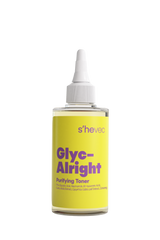
In s'hevec products- Glyc-Alright 7% glycolic acid + 2% niacinamide; pH 3.5–4.0, leave-on
- Red Of Love AHA (glycolic and lactic acid) + 2% BHA; pH 3.6–3.9, rinsed off after 5–10 minutes
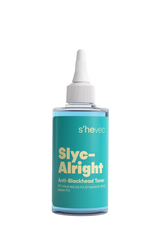
- Slyc-Alright 1.2% AHA complex (key active: 2% salicylic acid)
- Smooth Me All Night AHA complex + 4% niacinamide; night only
Read in the guide →Related: BHA (beta hydroxy acids), PHA (polyhydroxy acids), Glycolic acid, Lactic acid, Exfoliation, pH (skin and product pH)Sources: [6] [9] [7] [10]
INCI: Allantoin
Allantoin is a skincare ingredient used in soothing formulas to support skin comfort, usually as a supporting ingredient rather than a key active. In Turkish it is also written “alantoin”.
In a study of facial skincare products marketed for sensitive skin, it was one of the most frequently used ingredients, but it was not tested separately in volunteers with sensitive skin. In a laboratory study, it was part of a blend – with bisabolol, dexpanthenol and a liquorice derivative – that reduced a UVB-induced inflammatory marker.
Use and precautions
- How to use
- It is not a separate step; it is used according to the rules of the product it is in.
- Caution
- Whether a product suits sensitive skin is determined by its key active, not by allantoin; allantoin in an acid product does not change the acid's frequency and sun rules.
- Is a product containing allantoin suitable for sensitive skin?
- Not on its own. Suitability is determined by the key active, its concentration and how the product is used; start every new product with a patch test on the inner forearm.
Read in the guide →Related: Bisabolol, Panthenol (provitamin B5), Sensitive skin, Liquorice root extractSources: [11] [12]
INCI: Alpha-Arbutin
Alpha arbutin is the glycoside form of hydroquinone bound to glucose, used in formulas that target the look of dark spots and uneven tone. One review summarises studies on its antioxidant properties and its effect on melanin synthesis.
It helps reduce the look of dark spots, uneven tone and dark post-blemish marks. It is often combined with tranexamic acid and niacinamide in the same formula.
Use and precautions
- How to use
- Hit The Spot is used primarily in the evening: 3–4 drops after cleansing and toner (if used), followed by moisturiser. Crush On Pink, on the other hand, is a sunscreen that contains alpha arbutin; it is applied as the last skincare step of the morning routine.
- Caution
- Regulation (EU) 2024/996, which amends the EU Cosmetics Regulation, limits alpha arbutin to a maximum of 2% in face creams and 0.5% in body lotions, and requires hydroquinone residues not to exceed unavoidable trace levels. In dark spot care, daytime sun protection is a separate step.
- Is alpha arbutin hydroquinone?
- No. Alpha arbutin is the glycoside form of hydroquinone bound to glucose; it is a separate ingredient, and the EU has set upper limits for it by product type.
Read in the guide →Related: Tranexamic acid, Niacinamide (vitamin B3), SPF (sun protection factor), PhotoageingSources: [13] [14] [15]
Antioxidants are a group of substances that help limit oxidative damage by scavenging the free radicals that factors such as sunlight create in the skin. In skincare, vitamin C, vitamin E and caffeine are among the examples known for their antioxidant properties.
Antioxidants are used in formulas that target dullness and the look of uneven tone linked to the cumulative effects of the sun. One review states that vitamin C recycles vitamin E and works with it against oxidative damage.
Use and precautions
- How to use
- Antioxidant serums are mostly used in the morning, under sunscreen: Glow Me Like You Do every morning, 3–4 drops on cleansed skin, followed by moisturiser and sunscreen.
- Caution
- An antioxidant does not replace sunscreen. One review reports that antioxidants added to sunscreens can provide extra protection against signs of photoageing; the foundation of protection is still the UV filter.
- Can an antioxidant serum be used in the evening?
- Yes, it can. When the aim is to support the skin against sun exposure during the day, however, morning use takes priority. The vitamin C derivative in Love In Blue This Time, on the other hand, is part of a formula used primarily in the evening.
Read in the guide →Related: Vitamin C (ascorbic acid), Ethyl ascorbic acid, Tocopherol (vitamin E), Photoageing, CaffeineSources: [16] [17] [18] [19]
INCI: Azelaic Acid
Azelaic acid is a saturated dicarboxylic acid with nine carbon atoms, used in cosmetics for the look of dark spots, redness and post-blemish marks. In nature it is also produced by Malassezia yeast.
Reviews describe keratinisation-regulating, melanin-reducing, antioxidant and soothing properties. This is why it appears in formulas that target the look of uneven tone, reddish marks and rough texture.
Use and precautions
- How to use
- Apply a thin layer in the evening to cleansed, dried skin. In the first weeks, start every other evening and move to every evening as your skin feels comfortable; do not apply around the eyes or lips. It can be applied before or after moisturiser.
- Caution
- Do not use it on the same evening as products containing AHAs, BHAs or retinol; schedule them on other evenings. On sensitive skin, do a patch test on the inner forearm first and keep the frequency low. Daytime sun protection is a separate step.
- Is potassium azeloyl diglycinate the same as azelaic acid?
- No. It is a separate ingredient derived from azelaic acid; the properties described for azelaic acid do not transfer directly to the derivative, and one does not count as a substitute for the other.
Read in the guide →Related: Potassium azeloyl diglycinate, Niacinamide (vitamin B3), Tranexamic acid, Sensitive skinSources: [20] [21] [22]
B
Baobab extract
Antioxidants
INCI: Adansonia Digitata Pulp Extract
Baobab extract is a plant extract prepared from the fruit pulp of the baobab tree (Adansonia digitata), which grows in Africa, and used in eye-area and peptide formulas. On the label it appears as Adansonia Digitata Pulp Extract.
A food chemistry study identified sugars, amino acids, organic acids, phenolic compounds and fatty acids in baobab fruit pulp and leaves. Our sources include no human study testing the effect of this composition on the skin; this is why no standalone result is promised for the extract.
Use and precautions
- How to use
- It is used according to the rules of the product it is in: Power De-Puff Girls, 1–2 drops around the eyes morning and evening; Firm Baby Firm, the last layer of the evening routine.
- Caution
- With eye-area products, avoid contact with the eyes themselves. Start any new product with a patch test; an arm test may not fully reflect sensitivity around the eyes.
- Are baobab extract and baobab oil the same?
- No. The extract is prepared from the fruit pulp or leaves and appears on labels under names such as Adansonia Digitata Pulp Extract; the oil comes from the seeds and has a separate INCI name.
Read in the guide →Related: Caffeine, Matrixyl™ 3000, Gentian root extractSources: [23]
BHA (beta hydroxy acids)
Exfoliating acids
BHAs (beta hydroxy acids) are a group of exfoliating acids that help dissolve dead-cell build-up on the skin's surface and in the pore opening. According to the FDA, the BHA most commonly used in cosmetics is salicylic acid; chemists, however, do not regard salicylic acid as a true BHA.
BHAs are used mainly for the look of blackheads and clogged pores; unlike AHAs, their effect reaches into the pore opening as well as the surface. On labels they mostly appear as Salicylic Acid, sometimes under related names such as sodium salicylate or willow extract.
Use and precautions
- How to use
- In s'hevec products, BHA is used in the evening. With a leave-on toner, start with 2–3 evenings a week; if your skin does not feel tight and any stinging fades within a few minutes, increase the frequency gradually. With a rinse-off peel, no more than 2 evenings a week.
- Caution
- The FDA advises testing a BHA product on a small area first, not exceeding the number of applications on the label, not using it on babies and children, and using sun protection while using it. Slyc-Alright, Red Of Love and Smooth Me All Night also contain AHAs. AHAs can increase the skin's sensitivity to the sun: apply sunscreen every morning while using this product and for one week after you stop. If irritation or prolonged stinging occurs, stop using the product.
- Can AHA and BHA be used on the same evening?
- As separate products, this is not recommended; use them on different evenings. A product that contains both in one formula (such as Red Of Love) is used as that evening's only exfoliating step.
Read in the guide →Related: Salicylic acid, AHA (alpha hydroxy acids), Comedogenic, Sebaceous filaments, ExfoliationSources: [24] [25] [26]
INCI: Bisabolol
Bisabolol is a single plant molecule isolated from German chamomile and thought to be soothing; it is not the same as chamomile extract. It is added to many product types, from moisturisers to sunscreens.
It is thought to have soothing and calming properties; in a laboratory study, it was part of a blend – with allantoin, dexpanthenol and a liquorice derivative – that reduced a UVB-induced inflammatory marker. Human studies are limited.
Use and precautions
- How to use
- Rice Vibes Only is applied 1–2 evenings a week as a thick layer on clean, dry skin; once it has formed a film in 15–20 minutes, it is peeled off and any residue is rinsed away with water.
- Caution
- Allergic reactions to bisabolol have been reported; people who have previously reacted to this ingredient should avoid products containing bisabolol. Start any new product with a patch test.
- Does Magic Foam Party contain bisabolol?
- No. Magic Foam Party contains chamomile extract; bisabolol is a single molecule isolated from chamomile, and among s'hevec products it is found in Rice Vibes Only.
Read in the guide →Related: Allantoin, Centella asiatica (CICA), Sensitive skin, Patch test (inner forearm)Sources: [27] [12] [11]
Blue light (HEV)
Sun protection
Blue light is the short-wavelength, high-energy end of visible light (400–700 nm), which is why it is also called HEV (high-energy visible) light. About half of the sunlight that reaches the earth is visible light.
Studies show that visible light can cause more intense and longer-lasting pigmentation than UVA1 in darker skin (phototypes IV–VI), and redness together with UVA1 in lighter skin. Our sources contain no data on the effect of screen light on the skin.
Use and precautions
- How to use
- Against visible light, the AAD recommends shade, protective clothing and a broad-spectrum sunscreen with SPF 30 or higher whose label says “tinted”; it notes that the iron oxides in tinted products protect against visible light.
- Caution
- According to a 2022 review, no country has guidelines for testing protection against visible light; SPF shows UVB protection only.
- Does screen light cause spots on the skin?
- Our sources contain no data showing an effect of screen light on the skin. The findings associated with pigmentation relate to the visible part of sunlight.
Read in the guide →Related: UVA and UVB, Mineral (physical) filter, Photoageing, SPF (sun protection factor)Sources: [28] [29] [30] [31]
Broad spectrum
Sun protection
Broad spectrum is a label term showing that a sunscreen protects against both UVA and UVB rays; in the US its use is tied to FDA testing standards.
According to the AAD, a broad-spectrum sunscreen helps prevent sunburn and premature skin ageing by protecting against UVA (ageing) and UVB (burning) rays. The FDA requires a warning on products that are not broad spectrum or have an SPF below 15.
Use and precautions
- How to use
- The AAD recommends a broad-spectrum, water-resistant sunscreen with SPF 30 or higher; it is applied to all exposed skin and reapplied every two hours.
- Caution
- Not every sunscreen is broad spectrum, and a high SPF does not in itself indicate this; look for the term on the label. In the EU, UVA protection is assessed by a different measure: the ratio of the UVA protection factor to the SPF.
- Is broad spectrum the same as water resistance?
- No. Broad spectrum refers to UVA and UVB protection, while water resistance (“water resistant” on the label) means the product keeps its effectiveness on wet skin for 40 or 80 minutes; the two are determined by separate tests.
Read in the guide →Related: SPF (sun protection factor), UVA and UVB, PA (Protection Grade of UVA), Chemical (organic) filterSources: [30] [32] [33]
C
INCI: Caffeine
Caffeine is an alkaloid known for its antioxidant properties; it is used in eye-area products to help reduce the look of temporary puffiness. On the label it appears as Caffeine.
It helps reduce the look of temporary under-eye puffiness that is more noticeable in the morning. Its effect on dark circles depends on their cause: for pigment-related circles, the basic step is sun protection; it does not change shadowing or under-eye bags that set in with age.
Use and precautions
- How to use
- Morning and evening, 1–2 drops on cleansed skin; pat around the eyes with the ring finger, without rubbing and without touching the eye itself. When using it for the look of puffiness, do not skip the morning application.
- Caution
- In case of contact with eyes, rinse thoroughly with water. For one-sided, sudden or persistent puffiness, see a doctor rather than trying a product. After opening, the product is used within its PAO period.
- Does “5% Caffeine Solution” on the label refer to the percentage of pure caffeine?
- No. It shows the share of the caffeine solution added to the formula, not the share of pure caffeine. The wording on the Power De-Puff Girls label is likewise read as the share of the solution.
In s'hevec products- Power De-Puff Girls caffeine (on the label: 5% Caffeine Solution) + baobab extract; morning and evening, PAO 12 months
Read in the guide →Related: Baobab extract, Gentian root extract, PAO (period after opening), Active concentration, AntioxidantSources: [19] [34] [35] [36]
Centella asiatica (CICA)
Soothing
INCI: Centella Asiatica Extract
Centella asiatica (gotu kola) is a plant whose main constituents are asiaticoside, madecassoside, asiatic acid and madecassic acid, used in cosmetics as a supporting ingredient in soothing formulas. On the label it appears as Centella Asiatica Extract.
It is found in formulas that aim to support skin comfort. One review summarises the plant's long traditional use and laboratory findings; controlled data on its cosmetic effect, however, are limited.
Use and precautions
- How to use
- It is not a separate step; it is used according to the product's rules. In an acid product (such as Glyc-Alright), the acid's evening and frequency rules apply.
- Caution
- At s'hevec, it is not a key active with a stated concentration in any product; the word CICA on its own does not show that a product suits sensitive skin.
- What does CICA mean?
- CICA is the short name used in cosmetics for the plant Centella asiatica. In the ingredient list it appears as Centella Asiatica Extract.
Read in the guide →Related: Allantoin, Bisabolol, Sensitive skin, Niacinamide (vitamin B3)Sources: [37] [11]
Ceramide
Hydration & barrier
INCI: Ceramide NP (in s'hevec products)
A ceramide is a lipid molecule that, together with cholesterol and free fatty acids, forms the intercellular lipids in the skin's top layer and is a core part of the barrier that limits water loss. On the label it appears under letter-coded names such as Ceramide NP.
It supports the barrier and helps limit water loss from the skin's surface. One review highlights the role of ceramides in the barrier and the importance of formulating them correctly in skincare products.
Use and precautions
- How to use
- It can be used in a daily routine: Love In Blue This Time primarily in the evening, after a hydrating serum and before cream; Any Time Of Day morning and evening as the last hydrating step.
- Caution
- Do not use Love In Blue This Time on the same evening as products containing AHAs or BHAs; on sensitive skin, this serum is limited to a few evenings a week in the first weeks. Ceramides do not exfoliate.
- Does 2% ceramide complex mean 2% ceramide?
- No. The concentration refers to the complex, that is, to the whole raw material; in the ingredient list, the ceramide is also listed separately as Ceramide NP. This is why the declaration for Love In Blue This Time is written as “2% ceramide complex”.
Read in the guide →Related: Skin barrier, TEWL (transepidermal water loss), Natural moisturising factor (NMF), EmollientSources: [38] [39] [40]
Chemical (organic) filter
Sun protection
A chemical (organic) filter is a UV filter made from carbon-based compounds that works in sunscreens by absorbing UV rays. According to the AAD, a sunscreen that does not contain titanium dioxide or zinc oxide is a chemical sunscreen.
Different filters have different absorption ranges; according to one review, newer-generation, large-molecule UVB-UVA filters offer better protection in the UVA band. The US-approved actives listed by the AAD include avobenzone and octocrylene, as well as bemotrizinol, whose first products reached US shelves in 2026; bemotrizinol has been approved in Europe since 2000.
Use and precautions
- How to use
- It is applied in a sufficient amount about 15 minutes before going outside and reapplied every two hours while outdoors.
- Caution
- One review states that light-induced allergy has been reported with some organic filters (PABA derivatives, cinnamates, benzophenones, octocrylene); start a new sunscreen with a patch test.
- Are organic filters and chemical filters the same thing?
- Yes; both names describe the same group of filters. The AAD uses the term “chemical sunscreen”, while scientific reviews mostly use “organic filter”.
Read in the guide →Related: Hybrid sunscreen, Mineral (physical) filter, Broad spectrum, SPF (sun protection factor)Sources: [30] [41] [32]
A chemical peel is an exfoliation method that aims to take off the skin's top layer in a controlled way using acids at relatively high concentrations; it ranges from rinse-off products used at home to in-clinic procedures.
It supports a renewed, radiant look of the skin's surface and helps reduce the look of uneven tone. According to the FDA, the more serious reactions reported with AHA products are seen most often with peel-type products, which exfoliate most intensively.
Use and precautions
- How to use
- At home: Red Of Love in the evening, a few drops on clean, dry skin, rinsed off with plenty of water after 5–10 minutes, no more than 2 evenings a week. The Red Velvet Face box states: “For professional use only.” According to the instructions, it is rinsed off with plenty of water after 5–10 minutes and used no more than once a week. Do not use Red Of Love and Red Velvet Face together.
- Caution
- People new to acid care, people with sensitive or dry skin, and anyone whose skin is irritated, sunburnt or has recently had a procedure should not use high-concentration peels. AHAs can increase the skin's sensitivity to the sun: apply sunscreen every morning while using this product and for one week after you stop. Do not apply peels around the eyes.
- Can a peel serum be left on the face?
- Red Of Love and Red Velvet Face are rinse-off products: they are rinsed off with plenty of water without exceeding the 5–10 minutes given in the instructions. For a leave-on acid step, toners (Glyc-Alright, Slyc-Alright) are a separate category. Do not use Red Of Love and Red Velvet Face together.
In s'hevec products- Red Of Love AHA (glycolic and lactic acid) + 2% BHA; rinse-off, up to 2 times a week
Read in the guide →Related: AHA (alpha hydroxy acids), BHA (beta hydroxy acids), Exfoliation, Patch test (inner forearm)Sources: [6] [24] [42] [9]
Comedogenic is a term for the tendency of an ingredient or product to cause plugs (comedones) to form in the pore opening. A comedone is a plug formed by a build-up of sebum and dead cells; a blackhead is its open form.
The concept developed as certain ingredients became associated with comedone formation, and the first ingredient lists were drawn up using animal models. A human study with finished products showed that products containing ingredients considered comedogenic are not always comedogenic.
Use and precautions
- How to use
- Whether a product will clog pores cannot be decided by looking at a single ingredient in the list; the formula as a whole, the amount applied and the skin's tendency all play a part. On blemish-prone skin, new products are added one at a time and with a patch test.
- Caution
- Ingredient-based comedogenic lists can fall short in predicting how a finished product will behave. For painful, deep or widespread blemishes, see a doctor rather than switching products.
- Are blackheads and sebaceous filaments the same?
- No. A blackhead is a dark plug in the pore opening; rows of light-coloured dots on the nose are often sebaceous filaments, and they should not be squeezed in the belief that they are plugs.
Read in the guide →Related: Non-comedogenic, Sebaceous filaments, Salicylic acid, BHA (beta hydroxy acids), Activated charcoalSources: [43] [44]
Copper peptide (GHK-Cu)
Peptides
INCI: Copper Tripeptide-1
Copper peptide (GHK-Cu) is a complex of copper with the GHK peptide, which is made up of three amino acids (glycine-histidine-lysine). On the label it appears as Copper Tripeptide-1, and it is used in products for the look of fine lines.
Cell studies show potential for the look of wrinkles; human studies on GHK-Cu itself, however, are few. Because it dissolves readily in water, its passage into the skin depends on the formula.
Use and precautions
- How to use
- Love In Blue This Time is used primarily in the evening: 3–4 drops on cleansed skin, after a hydrating serum and before cream.
- Caution
- Do not use Love In Blue This Time on the same evening as exfoliating acids or a separate pure vitamin C serum; if stinging or redness persists, take a break.
- Can copper peptide and vitamin C be used together?
- Love In Blue This Time contains both in the same formula, as 2% Ethyl Ascorbic Acid and copper tripeptide-1 with no stated concentration; on evenings when you use this product, do not add a separate pure vitamin C serum.
In s'hevec products- Love In Blue This Time copper tripeptide-1 (supporting, no stated concentration); key actives 2% ceramide complex + 2% Ethyl Ascorbic Acid
Read in the guide →Related: Peptide, Ceramide, Ethyl ascorbic acidSources: [45] [46]
Cruelty-free is a statement that the finished product and its ingredients have not been tested on animals. It does not say whether the formula contains animal-derived ingredients; that question is answered by the vegan statement. The basis for the statement is the brand's testing policy or a certification standard.
In the EU, animal testing has been banned for finished cosmetic products since 11 September 2004 and for ingredients since 11 March 2009; the sale in the EU of products and ingredients tested on animals has also been banned since 2009, and since 2013 for the remaining types of test.
Use and precautions
- How to use
- The basis for the statement is the brand's testing policy or the standard of a certification body.
- Caution
- A cruelty-free statement does not show that a product suits your skin; start any new product with a patch test.
- Is a cruelty-free product also vegan?
- Not necessarily. A product not tested on animals can contain animal-derived ingredients; anyone looking for both should check both statements.
Read in the guide →Related: Vegan cosmetics, DermocosmeticsSources: [47] [48] [49]
E
Emollient
Hydration & barrier
An emollient (softener) is a type of moisturising component that blends into the skin's top layer, making the surface feel smoother and softer. Moisturisers use emollients together with humectant and occlusive components.
It softens the look of dry, rough skin and helps the skin feel comfortable. One review counts the oils and humectants in moisturisers among their active components; the AAD also lists ingredients such as jojoba oil and shea butter among those to look for when choosing a cream for dry skin.
Use and precautions
- How to use
- Creams containing emollients are applied after serums, at the moisturising step of the routine; the AAD recommends applying moisturiser to dry skin while it is still slightly damp.
- Caution
- Occlusive components slow water loss by covering the skin's surface; one review reports that petrolatum supports the barrier immediately on a top layer stripped of its lipids. For oily skin, formulas that keep the occlusive layer light are preferred.
- What is the difference between an emollient and an occlusive?
- An emollient blends into the top layer and softens the surface; an occlusive forms a film on the surface and slows the evaporation of water. A cream often contains both, plus a humectant.
Read in the guide →Related: Humectant, TEWL (transepidermal water loss), Skin barrier, CeramideSources: [51] [52] [53]
Ethyl ascorbic acid
Antioxidants
INCI: Ethyl Ascorbic Acid
Ethyl ascorbic acid (Ethyl Ascorbic Acid) is an antioxidant ingredient: a derivative of ascorbic acid, the pure form of vitamin C, developed to improve its stability and its passage into the skin. Its percentage is not directly comparable with that of ascorbic acid.
It is used for antioxidant support and for radiance, dullness and the look of uneven tone. A laboratory study examined how this derivative is delivered into the skin in different solvent systems.
Use and precautions
- How to use
- Glow Me Like You Do is applied in the morning, 3–4 drops on clean skin, followed by moisturiser and sunscreen. Love In Blue This Time is used primarily in the evening, after a hydrating serum and before cream.
- Caution
- Do not use Love In Blue This Time on the same evening as products containing AHAs or BHAs. A vitamin C derivative does not replace sunscreen. On sensitive skin, do a patch test first; if stinging occurs in the first weeks, reduce the frequency.
- Does 7% Ethyl Ascorbic Acid mean 7% vitamin C?
- No. The percentage of a derivative is not directly comparable with that of ascorbic acid; 7% shows the share of Ethyl Ascorbic Acid added to the formula. How products compare depends as much on the formula's stability and the way it is used as on the percentage.
Read in the guide →Related: Vitamin C (ascorbic acid), Antioxidant, Niacinamide (vitamin B3), Active concentrationSources: [54] [55] [16]
Exfoliation is a skincare process that makes it easier for dead cells in the skin's top layer to come away; chemical exfoliation uses acids, while physical exfoliation uses rubbing or abrasive particles. Its intensity depends on the method, the strength of the product and how often it is used.
It helps reduce the look of dullness, rough texture and clogged pores linked to the build-up of dead cells on the surface. Chemical exfoliation uses AHAs, BHAs and PHAs; its degree depends on the type of acid, its concentration and the product's pH.
Use and precautions
- How to use
- Start with 2–3 evenings a week for an acid toner and no more than 2 evenings a week for a rinse-off peel; do not use more than one exfoliant on the same evening. Follow with a hydrating step. AHAs can increase the skin's sensitivity to the sun: apply sunscreen every morning while using this product and for one week after you stop.
- Caution
- The AAD notes that scrubbing the skin to clean it causes irritation. Do not apply exfoliants to irritated or sunburnt skin, or to skin that has recently had a procedure; if stinging does not fade, take a break.
- Can a grainy scrub and an acid toner be used together?
- Not on the same evening; both exfoliate, and layering them can strain the skin. On evenings when you use an acid product, skip the grainy scrub.
Read in the guide →Related: AHA (alpha hydroxy acids), BHA (beta hydroxy acids), PHA (polyhydroxy acids), Chemical peel, Skin barrierSources: [6] [24] [56]
H
Humectant
Hydration & barrier
A humectant is a type of moisturising component that draws water from the deeper layer of the skin up to its top layer. Hyaluronic acid, saccharide isomerate and gluconolactone are among the ingredients known in cosmetics for their humectant properties.
Moisturisers work with humectant, emollient and occlusive components: a humectant draws water to the skin's upper layers, an emollient blends into the top layer and softens the surface, and an occlusive covers the surface and slows water loss. The visible result is skin that feels more hydrated and plump.
Use and precautions
- How to use
- Humectant-rich serums are applied after cleansing to slightly damp skin, followed by a layer of cream.
- Caution
- On dry skin, a hydrating serum is not enough on its own; a cream containing emollient and occlusive components is applied on top.
- Should oily skin use humectant products?
- It can. Humectants do not add oil to the skin; for oily skin, formulas that rely on humectants and keep the occlusive layer light are a good choice.
Read in the guide →Related: Hyaluronic acid, Saccharide isomerate, Emollient, TEWL (transepidermal water loss), PHA (polyhydroxy acids)Sources: [51] [52] [59] [60]
Hyaluronic acid
Hydration & barrier
INCI: Hyaluronic Acid, Sodium Hyaluronate, Hydrolyzed Hyaluronic Acid (formlar)
Hyaluronic acid is a glycosaminoglycan that also occurs in the body and attracts water; in cosmetics it is used as a humectant. It does not exfoliate the skin; its molecular weight determines how far it passes into the skin.
By holding moisture in the skin's upper layers, it supports a more hydrated, plumper look. In a Raman study, forms in the 20–300 kDa range passed through the skin's top layer, while forms in the 1000–1400 kDa range did not.
Use and precautions
- How to use
- Apply 3–4 drops to cleansed skin that has been patted dry with a towel and is still slightly damp; follow with moisturiser. It can be used morning and evening and does not need a gradual start.
- Caution
- On dry skin, a hydrating serum is not enough on its own; it needs a cream on top. On acid toner evenings, it is applied after the toner; on rinse-off peel evenings, after rinsing.
- Can hyaluronic acid be used on oily skin?
- Yes. As a humectant, it does not add oil to the skin; Any Time Of Day contains 2% 8D hyaluronic acid in its water-based, silicone-free formula.
Read in the guide →Related: 8D hyaluronic acid, Humectant, Saccharide isomerate, Skin barrier, TEWL (transepidermal water loss)Sources: [1] [2] [61] [51]
Hybrid sunscreen
Sun protection
A hybrid sunscreen, as defined by the AAD, is a type of sunscreen that combines one or more of the active ingredients found in chemical (organic) and physical (mineral) sunscreens.
According to the AAD, all sunscreens – chemical, physical or hybrid – form a protective layer on the skin that absorbs the sun's rays; physical filters also reflect them. Whether a product protects adequately is shown not by the type name but by the SPF, broad-spectrum and water-resistance criteria. These criteria are the AAD's general recommendation; the claims a sunscreen carries are shown on its label.
Use and precautions
- How to use
- It is applied as the last step of the morning routine, at least a teaspoon's worth for the face, about 15 minutes before going outside, and reapplied every two hours.
- Caution
- To understand the type, check the active ingredient (UV filter) information on the pack. The AAD recommends physical (mineral) sunscreen for sensitive skin; start a hybrid product with a patch test too.
- Does a hybrid sunscreen protect less than a mineral one?
- No; the level of protection is shown not by the type but by the SPF and UVA measures on the label. According to the AAD, all three types provide effective protection when they meet these measures.
Read in the guide →Related: Mineral (physical) filter, Chemical (organic) filter, SPF (sun protection factor), Broad spectrum, PostbioticSources: [30] [62] [41]
Hydrolysed collagen
Peptides
INCI: Hydrolyzed Collagen
Hydrolysed collagen is a group of ingredients made up of low-molecular-weight peptides, obtained by breaking down the protein collagen with enzymes or in an acid or alkaline medium, and used in the food, drug and cosmetics industries.
According to one review, the properties of hydrolysed collagen depend on its source and production method; its traditional sources are cattle and pigs, and in recent years types obtained from marine organisms have also been researched. Collagen is among the ingredients added to cosmetic products such as creams.
Use and precautions
- How to use
- It is not a separate step; it is used according to the rules of the product it is in.
- Caution
- Collagen can be obtained from animal sources, but non-animal synthetic or recombinant raw materials are also used. In a vegan formula, the source of the collagen is verified with the supplier's documentation; s'hevec products use no animal-derived ingredients.
- Can hydrolysed collagen be vegan?
- Collagen's traditional sources are animal-based; alternative methods such as recombinant production also exist. Whether the Hydrolyzed Collagen in a product is vegan is shown not by the INCI name but by the supplier's documentation for the raw material. The Hydrolyzed Collagen in Rice Vibes Only is of synthetic origin; the product is vegan.
In s'hevec products- Rice Vibes Only Hydrolyzed Collagen of synthetic origin; the product is vegan
Related: Peptide, Vegan cosmetics, INCI (ingredient list)Sources: [63] [64] [65]
M
Matrixyl™ 3000 is the trade name of a peptide raw material used in creams for the look of firmness and fine lines; it appears in the ingredient list not under its own name but under the INCI names of the peptides it contains.
Creams containing peptides aim to support a firmer look and help with the look of fine lines; the evidence varies by peptide, and passage into the skin is the most important limitation. In Firm Baby Firm, it is used together with acetyl hexapeptide-8.
Use and precautions
- How to use
- Firm Baby Firm is massaged in with upward strokes over the face, neck and décolletage as the last step of the evening routine; do not apply it around the eyes. In the morning, the last step is sunscreen.
- Caution
- Trade names do not appear in the ingredient list on the pack; the list contains only INCI names. A peptide does not replace sunscreen.
- Which peptides are in the Firm Baby Firm ingredient list?
- The list includes Acetyl Hexapeptide-8, Palmitoyl Tripeptide-1, Palmitoyl Tetrapeptide-7 and Tripeptide-2. The 4% Argireline™ and 3% Matrixyl™ 3000 declared on the pack are the concentrations of the raw materials that carry these peptides.
In s'hevec products- Firm Baby Firm 3% Matrixyl™ 3000 + 4% Argireline™; evening, last layer
Read in the guide →Related: Peptide, Acetyl hexapeptide-8 (Argireline™), Baobab extract, INCI (ingredient list)Sources: [68] [69]
Mineral (physical) filter
Sun protection
INCI: Titanium Dioxide, Zinc Oxide
A mineral (physical) filter is an inorganic UV filter, such as titanium dioxide or zinc oxide, that absorbs and also reflects UV rays in sunscreens. According to the AAD, a product whose only active ingredients are these is a physical sunscreen.
It contributes to protection against UVB and UVA. According to one review, when mineral filters are used in nanoparticle form to reduce the white, chalky look on the skin, they do not protect against visible light; for this purpose, tinted products use iron oxides and pigment-grade titanium dioxide.
Use and precautions
- How to use
- Like other sunscreens, it is applied in a sufficient amount before going outside and reapplied every two hours while outdoors.
- Caution
- The AAD recommends physical sunscreen for sensitive skin. Zinc oxide is a UV filter; it should not be confused with zinc PCA, a skincare ingredient for the look of sebum.
- Is every product containing titanium dioxide a mineral sunscreen?
- No. Under the AAD definition, a product containing only titanium dioxide and/or zinc oxide is a physical (mineral) sunscreen; a product that also contains organic filters is a hybrid sunscreen.
Read in the guide →Related: Hybrid sunscreen, Chemical (organic) filter, Blue light (HEV), Zinc PCASources: [30] [31] [41]
N
Natural moisturising factor (NMF)
Hydration & barrier
Natural moisturising factor (NMF) is a mixture of small, water-soluble molecules formed inside the cells of the skin's top layer by the breakdown of the protein filaggrin; it contributes to the skin's ability to hold water.
How much water the top layer holds depends largely on the intercellular lipids and NMF. Its components include amino acids such as serine, glycine, alanine, histidine and arginine, as well as pyrrolidone carboxylic acid (PCA).
Use and precautions
- How to use
- NMF is not a product but part of the skin's own structure. Ingredients that resemble its components, such as sodium PCA and amino acids, are used in formulas to support hydration.
- Caution
- According to one review, the maturation steps of the top layer, including NMF formation, are affected by the skin's hydration level; under environmental stress these processes can be disrupted, resulting in a dry, flaky appearance.
- Does washing your face affect natural moisturising factor?
- Our sources do not measure NMF directly; however, washing – even just rinsing with water – has been shown to raise skin pH, and this is linked to barrier functions. Short, lukewarm, gentle cleansing is recommended.
Read in the guide →Related: Sodium PCA, Skin barrier, TEWL (transepidermal water loss), pH (skin and product pH), CeramideSources: [70] [71] [40] [72]
Niacinamide (vitamin B3)
Brightening
INCI: Niacinamide
Niacinamide is the water-soluble amide form of vitamin B3, a versatile skincare ingredient that supports the look of balanced sebum and hydration and helps reduce the look of uneven tone. It does not exfoliate; it can be used both morning and evening.
Reviews describe effects on sebum balance and radiance that depend on concentration; one study examines its effect on the hydration and structure of the skin's top layer. This is why it often appears in formulas for the look of pores, shine, dark spots and red blotchiness.
Use and precautions
- How to use
- As a serum, it is applied 1–2 times a day, after toner and before moisturiser; on sensitive skin, start with once a day. If it is part of an acid formula, the acid determines when it is used (in the evening, as with Glyc-Alright).
- Caution
- No photosensitising potential was found in its safety assessment; the sun sensitivity of acid products comes from the acid. It can be used in the same routine as vitamin C derivatives, AHAs and BHAs. On sensitive skin, a new high-concentration product is started once a day.
- Can niacinamide and vitamin C be used together?
- Yes. The morning order is Glow Me Like You Do, Hi Girls Bye Pores, moisturiser and sunscreen; Love In Blue This Time contains both in the same formula and is used primarily in the evening.
Read in the guide →Related: Zinc PCA, Ethyl ascorbic acid, Tranexamic acid, Active concentration, Sebaceous filamentsSources: [73] [74] [75] [76]
Non-comedogenic is a label term stating that a product has been formulated so that it does not form pore plugs (comedones). According to one systematic review, this term on cosmetic packaging is not regulated by any regulatory body.
It is used as a pointer when choosing products for blemish-prone and oily skin; however, the test used to verify the term can vary from manufacturer to manufacturer. Methods that test the finished product on human skin give more meaningful information than inferences drawn from the ingredient list.
Use and precautions
- How to use
- The label term alone is not enough: the product is tried with a patch test, one new product is added at a time and the skin's response is monitored.
- Caution
- The same review states that the terms “oil-free” and “hypoallergenic” are not regulated either. Statements such as “water-based and silicone-free” for Any Time Of Day describe what the formula contains; on their own, they do not mean that the product has been tested for not clogging pores.
- Can oily skin use a moisturiser that is not labelled non-comedogenic?
- It can; the term is not the result of a regulated test. A light texture, humectant ingredients, an active aimed at sebum balance and your own tolerance trial are more decisive.
Read in the guide →Related: Comedogenic, Patch test (inner forearm), Sebaceous filamentsSources: [77] [43]
P
PA (Protection Grade of UVA)
Sun protection
PA (Protection Grade of UVA) is a labelling system that shows a sunscreen's protection against UVA rays with plus signs, based on the test method of the Japan Cosmetic Industry Association (JCIA). The more plus signs, the higher the declared level of UVA protection.
The PA grade is based on the UVA protection factor (UVA-PF) measured by the persistent pigment darkening (PPD) method; this method has been shown to give reproducible results across different laboratories. The EU, for its part, recommends that the UVA protection factor be at least one third of the SPF.
Use and precautions
- How to use
- On the label, the PA grade is read together with the SPF value: SPF refers to protection against burning, PA to UVA protection. The usage rules do not change: a sufficient amount, application before going outside and reapplication every two hours.
- Caution
- There is no universal consensus on how UVA protection is determined and labelled; the US uses broad spectrum, the EU the UVA-PF/SPF ratio and Japan PA. The value declared on s'hevec sun products is SPF 50+.
- Is PA++++ the same as broad spectrum?
- It is not; both describe UVA protection, but they are based on the different testing and labelling rules of different countries. When comparing, check which system each label follows.
Read in the guide →Related: UVA and UVB, SPF (sun protection factor), Broad spectrumSources: [78] [41] [79]
Panthenol (provitamin B5)
Hydration & barrier
INCI: Panthenol
Panthenol is an ingredient called provitamin B5 because it is a precursor of vitamin B5; in skincare it is used to support hydration and barrier function. In studies it mostly appears under the name dexpanthenol; it is not an exfoliant.
In a placebo-controlled human study, formulas containing dexpanthenol increased hydration in the skin's top layer and reduced water loss through evaporation from the surface. In terms of appearance, it supports skin that feels more comfortable and hydrated.
Use and precautions
- How to use
- It is not a separate step; it is used according to the directions of the product it is in. It can appear in the same formula as key actives such as hyaluronic acid, niacinamide and glycolic acid.
- Caution
- It is a supporting ingredient; its concentration is not declared in s'hevec products, and it is not the key active in any of them. The product's suitability is determined by the key active.
- Which s'hevec products contain panthenol?
- It is a supporting ingredient in most of the products whose ingredient lists are published; for example Hydra Back Baby, Any Time Of Day and Glyc-Alright. Its concentration is not declared.
Read in the guide →Related: Skin barrier, TEWL (transepidermal water loss), Humectant, AllantoinSources: [80] [81]
PAO (period after opening)
Concepts
PAO (Period After Opening) is label information that shows how many months a cosmetic product can be used after it is first opened; it is written on the pack next to the open jar symbol as a number of months, such as 12M.
The expiry date applies to the unopened product; the PAO shows the period for the opened product. The period starts from first opening, not from the date of manufacture or purchase.
Use and precautions
- How to use
- Note the day you open the product. Keep the lid closed, avoid dipping your fingers into the product and do not leave it in places exposed to heat, such as a hot car.
- Caution
- If the product's colour, smell or texture changes, stop using it even if the period is not yet up. According to the FDA, eye-area cosmetics have a shorter shelf life; mascara should be discarded two to four months after purchase.
- How long can Power De-Puff Girls be used after opening?
- Its PAO is 12 months; it is used within 12 months of first opening. If its colour, smell or texture changes during this period, stop using it.
Read in the guide →Related: Preservative, INCI (ingredient list)Sources: [82] [83] [49]
Patch test (inner forearm)
Concepts
A patch test (inner forearm) is a way of observing the skin's reaction by trying a new skincare product for a few days on a small area, such as the inner forearm, in the normal amount of use, before applying it to the face.
According to the AAD, trying a product on a small area first helps spot an adverse skin reaction in advance; some ingredients, such as preservatives, can cause allergic reactions.
Use and precautions
- How to use
- AAD protocol: apply to a coin-sized area twice a day for 7–10 days; leave rinse-off products such as cleansers on for 5 minutes or for the time given in the instructions, then rinse. With acid products, do not test more often than the product recommends.
- Caution
- If redness, itching or swelling occurs, gently wash the product off and stop using it. An arm test may not fully reflect sensitivity around the eyes. This home trial does not replace the medical patch testing carried out by a doctor.
- Does mild stinging from a glycolic acid toner mean the test has failed?
- Not always. The AAD notes that ingredients such as retinol and glycolic acid can cause temporary irritation, especially on sensitive skin; if the stinging fades within a few minutes and there is no redness, itching or swelling, you can continue using the product at a low frequency.
Read in the guide →Related: Sensitive skin, Preservative, Chemical peelSources: [84] [24] [85]
A peptide is a molecule formed by a few amino acids linked in a short chain. Cosmetic reviews divide peptides into groups such as signal peptides, carrier peptides, peptides that affect nerve signalling and enzyme-inhibiting peptides.
Peptides are used in formulas that aim to help with the look of fine lines and support a firmer look; the evidence varies by peptide. One review notes that evidence of efficacy from human studies is often weak and that passage into the skin may be limited for reasons such as molecular size.
Use and precautions
- How to use
- Peptide creams are usually the last step of the evening routine: Firm Baby Firm is massaged in with upward strokes over the face, neck and décolletage after cleansing and serums; do not apply it around the eyes.
- Caution
- A peptide does not replace sunscreen. A laboratory finding is not the same as the result of the finished cream on the skin; expectations should be set accordingly.
- Are there peptides in Hit The Spot?
- No peptide appears in the ingredient list of Hit The Spot; its key actives are 2% tranexamic acid and 2% alpha arbutin. At s'hevec, the product that contains peptides with stated concentrations is Firm Baby Firm.
Read in the guide →Related: Acetyl hexapeptide-8 (Argireline™), Matrixyl™ 3000, Copper peptide (GHK-Cu), Hydrolysed collagenSources: [68] [65] [69]
pH (skin and product pH)
Concepts
pH is a scale that shows how acidic or basic a solution or surface is; the skin's surface is acidic. In acid skincare products, the product's pH determines the effect as much as the concentration does.
Some functions, such as barrier renewal and the skin's defence against microorganisms, are linked to the acidic nature of the skin's surface. According to the FDA, the degree of exfoliation in AHA products is determined by the product's pH as well as by the type and concentration of the acid.
Use and precautions
- How to use
- When choosing a product, look at the pH range together with the concentration: two products with the same acid concentration can behave differently on the skin if their pH differs. s'hevec declares the pH range on its acid products.
- Caution
- Washing – even rinsing with water alone – raises skin pH; it can take a few hours to return to its physiological level. One review states that cleansing and skincare products with a pH of 4.0–5.0 may help.
- Is a low-pH product stronger?
- In acid products, pH is one of the factors that determine the effect, but it is not decisive on its own; the type of acid, its concentration and the rest of the formula also change the result. This is why concentration and pH are read together.
Read in the guide →Related: AHA (alpha hydroxy acids), Glycolic acid, Skin barrier, Surfactant, Active concentrationSources: [72] [86] [58] [6]
PHA (polyhydroxy acids)
Exfoliating acids
INCI: Gluconolactone (glukonolakton), Lactobionic Acid (laktobionik asit)
PHAs (polyhydroxy acids) are a group of acids that, like AHAs, help dead cells come away from the surface, are less associated with sensory irritation and also have humectant properties. Gluconolactone and lactobionic acid are examples of this group.
According to one review, PHAs have a smoothing effect similar to that of AHAs, offer additional humectant properties and may support barrier function. In a study in which gluconolactone was applied, an increase in facial skin hydration was measured.
Use and precautions
- How to use
- How it is used depends on the product. At s'hevec, PHA is in Magic Foam Party, a rinse-off foam used morning and evening; it stays on the skin only briefly. In the Rice range, gluconolactone appears in the ingredient list after the preservatives, with no stated concentration.
- Caution
- One review reports that PHAs were found to be compatible with sensitive skin; even so, start any new product with a patch test. The s'hevec range includes no PHA peel; in none of the four products containing gluconolactone is it an exfoliating key active.
- The ingredient list of Rice Rice Baby includes gluconolactone; is this toner exfoliating?
- It is not positioned as an exfoliating toner: it contains no AHAs or BHAs for exfoliation, and gluconolactone appears in the list after the preservatives, with no stated concentration. The product's pH range is 5.5–6.5, and it is used morning and evening.
In s'hevec products- Magic Foam Party CICA and PHA + 2% niacinamide; rinse-off
- Rice You Up gluconolactone; listed after the preservatives, no stated concentration
- Rice Rice Baby gluconolactone; listed after the preservatives, no stated concentration; not an exfoliating key active
- Rice Vibes Only gluconolactone; no stated concentration
Read in the guide →Related: AHA (alpha hydroxy acids), Humectant, Exfoliation, Sensitive skinSources: [87] [60]
Photoageing
Sun protection
Photoageing is a process caused by the cumulative effect on the skin of long-term exposure to the sun's ultraviolet, visible and infrared rays, which makes the skin look older than its chronological age.
It shows up in signs such as wrinkles, uneven tone, changes in texture, loss of elasticity and visible capillaries; how severe the signs are depends on phototype: uneven tone is more prominent in darker skin, wrinkles in lighter skin. According to one review, it is largely preventable.
Use and precautions
- How to use
- The foundation of prevention is daily broad-spectrum sunscreen, shade and clothing. One review summarises the evidence supporting the effectiveness of sunscreens in preventing photoageing.
- Caution
- Skincare products can help with the look of photoageing; they do not replace sun protection. Show a doctor any mole or lesion that is new, changing or looks different from the others.
- What is the difference between photoageing and chronological ageing?
- Chronological ageing happens to everyone over time; photoageing is the part that sun exposure adds on top of it, and it is largely preventable. It is more pronounced on the face, neck and backs of the hands, which see the most sun.
Read in the guide →Related: UVA and UVB, Antioxidant, SPF (sun protection factor), Blue light (HEV)Sources: [88] [18]
Postbiotic
Hydration & barrier
INCI: Lactobacillus Lysate (in the s'hevec product)
Postbiotics are a group of ingredients made up of metabolites produced by probiotic bacteria, used in skincare to support barrier function and the balance of the skin microbiota. On the label they may appear under names such as Lactobacillus Lysate.
According to one review, some research suggests that postbiotics may support barrier function and reduce the look of redness; the evidence in this area is still developing.
Use and precautions
- How to use
- In Just Protected From Sun it is a supporting ingredient; the product is applied as the last step of the morning routine, at least a teaspoon's worth for the face.
- Caution
- Supporting ingredients in a sunscreen do not change its level of protection; the level of protection is shown by the SPF 50+ value.
- Are postbiotics and probiotics the same?
- No. A probiotic refers to live bacteria, while a postbiotic refers to the metabolites these bacteria produce. Both are among the ingredients being researched in skincare products.
Read in the guide →Related: Skin barrier, Hybrid sunscreen, SPF (sun protection factor)Sources: [89]
Potassium azeloyl diglycinate
Brightening
INCI: Potassium Azeloyl Diglycinate
Potassium azeloyl diglycinate is a molecule derived from azelaic acid and used as a supporting ingredient in cosmetic formulas. Although its name refers to azelaic acid, it does not count as a substitute for it; the properties described for azelaic acid do not transfer to it directly.
In one human study, a cream containing this derivative was evaluated with measurements of the look of redness and of skin hydration; the researchers reported hydrating and soothing effects. The evidence is limited and cannot be read separately from the rest of the formula.
Use and precautions
- How to use
- It is not a step on its own; it is used according to the rules of the product it is in. Matte's Up? is applied as the last step of the morning routine, in a sufficient amount over the whole face.
- Caution
- Supporting ingredients in a sunscreen do not change its level of protection; the level of protection is shown by the SPF value. Start any new product with a patch test.
- Does a product containing potassium azeloyl diglycinate count as an azelaic acid product?
- It does not; the derivative is a separate ingredient and is assessed on the basis of its own studies. The s'hevec product that contains azelaic acid with a stated concentration is Shine On You (7% azelaic acid).
In s'hevec products- Matte's Up? supporting ingredient (no concentration stated); with niacinamide and zinc PCA
Read in the guide →Related: Azelaic acid, Zinc PCA, Niacinamide (vitamin B3)Sources: [90]
A preservative is an auxiliary substance in water-containing cosmetic formulas that keeps the growth of bacteria, mould and yeast under control, helping the product to be used safely throughout its period of use after opening. On the label it appears under separate INCI names.
Each time a product is opened, fingers and air carry in microorganisms; the preservative system keeps them under control. A study of cosmetics during use found contamination to be rare, but showed that the preservative system of some products could not adequately suppress microbial growth. Phenoxyethanol, Sodium Benzoate and Potassium Sorbate are preservatives often seen on labels.
Use and precautions
- How to use
- Preservatives can break down over time; using the product within its PAO period, keeping the lid closed and protecting it from heat make the preservative system's job easier.
- Caution
- According to the AAD, some ingredients, such as preservatives, can cause allergic reactions; start any new product with a patch test. According to one systematic review, parabens have been found safe at the amounts used in cosmetics for people who are not sensitive to them; “paraben-free” is an ingredient statement.
- Why do homemade cosmetics spoil quickly?
- Most have no preservative system; mixtures that contain water are open to the growth of bacteria and mould. That is why homemade rice water does not replace a formulated product.
Read in the guide →Related: PAO (period after opening), INCI (ingredient list), Patch test (inner forearm), Rice extractSources: [82] [83] [84] [77]
S
Saccharide isomerate
Hydration & barrier
INCI: Saccharide Isomerate
Saccharide isomerate is a skin-conditioning ingredient derived from sugars – a humectant that draws water to the skin's upper layers – known under the trade name Pentavitin. On the label it appears as Saccharide Isomerate.
A 2025 report by the expert panel that assesses the safety of cosmetic ingredients describes it as a skin-conditioning humectant and finds it safe in cosmetics under current conditions of use and concentration. The visible result is skin that feels more hydrated and comfortable.
Use and precautions
- How to use
- Hydra Back Baby is applied morning and evening, 3–4 drops on slightly damp skin, followed by moisturiser.
- Caution
- Humectants work better with a layer of cream on top; on dry skin, do not skip the moisturising step.
- Can Pentavitin and hyaluronic acid be used together?
- Yes; both are humectants and can be found together in the same formula. Hydra Back Baby contains 2% 8D hyaluronic acid and 1.2% Pentavitin in the same serum.
Read in the guide →Related: Humectant, Hyaluronic acid, 8D hyaluronic acidSources: [59] [92]
Salicylic acid
Exfoliating acids
INCI: Salicylic Acid
Salicylic acid is an exfoliating acid, referred to in cosmetics as a BHA, that helps dissolve the plug of dead cells in the pore opening by loosening the bonds that hold cells together. It is chosen for the look of blackheads and pores.
It helps clear clogged pores; it targets the look of blackheads, clogged pores and rough texture. In a comparative study, unlike glycolic acid, it did not cause a significant increase in UV sensitivity; sun protection is still needed.
Use and precautions
- How to use
- In s'hevec products, it is used in the evening. Slyc-Alright is applied with a cotton pad to cleansed, thoroughly dried skin, starting with the T-zone, and is not rinsed off; start with 2–3 evenings a week. Follow with serum and moisturiser.
- Caution
- The FDA advises testing a BHA product on a small area first, not using it on babies and children, and using sun protection. Slyc-Alright and Red Of Love also contain AHAs. AHAs can increase the skin's sensitivity to the sun: apply sunscreen every morning while using this product and for one week after you stop. Because salicylate poisoning has been reported, although rarely, with topical salicylic acid, do not apply it to large areas or more often than recommended. If you are pregnant or breastfeeding, or have a skin condition, consult your doctor before use.
- Can a salicylic acid toner be used every day?
- Not from day one. With Slyc-Alright, start with 2–3 evenings a week; if your skin does not feel tight and any stinging fades within a few minutes, increase the frequency gradually. For dry or very sensitive skin, you can start the toner step with Rice Rice Baby instead of an acid toner; the skin types recommended on its label include dry and sensitive skin.
Read in the guide →Related: BHA (beta hydroxy acids), AHA (alpha hydroxy acids), Sebaceous filaments, Comedogenic, Zinc PCASources: [24] [25] [93] [26]
Sebaceous filaments
Concepts
Sebaceous filaments are a normal structure made up of small dots – grey, yellowish or close to skin colour, similar to one another and arranged in rows – formed by sebum collecting in the pore opening, especially on and around the nose. They are assessed separately from blackheads.
Blackheads are dark and appear singly and irregularly, while sebaceous filaments are lighter in colour and more evenly spread. This distinction helps set realistic expectations for skincare.
Use and precautions
- How to use
- Care targets the general look of pores and shine in the nose area: a BHA toner in the evening (Slyc-Alright, starting with 2–3 evenings a week), shine management during the day and sunscreen in the morning.
- Caution
- Do not squeeze them in the belief that they are plugs; squeezing can cause irritation. Pores do not get smaller or close up with skincare products; the aim is a less noticeable look.
- Do sebaceous filaments disappear completely?
- No; sebaceous filaments are not a flaw but a normal structure of the skin. The aim of skincare is a less noticeable look.
Read in the guide →Related: Comedogenic, Salicylic acid, BHA (beta hydroxy acids), Zinc PCASources: [94] [44]
Sensitive skin is a condition defined by sensory reactions that people report themselves, such as tightness, stinging, burning, tingling or itching on the face; it can occur in every skin type – dry, oily, combination or normal.
According to one review, sensitivity can occur in normal skin, in skin with an impaired barrier or as part of certain skin conditions; many people report that their symptoms increase with environmental factors.
Use and precautions
- How to use
- The routine is built on three basic steps: gentle cleansing, hydration and sunscreen in the morning. Once this base feels comfortable, actives are introduced one product at a time and at the lowest frequency; every new product is first tried on a small area.
- Caution
- Persistent redness, flaking or burning can point to a skin condition; see a doctor for an assessment. The AAD recommends products labelled fragrance-free for sensitive skin; a product labelled “unscented” may contain odour-masking ingredients.
- Can sensitive skin use acid products?
- If an acid product's label recommends it for sensitive skin, start with a patch test and use it at a low frequency. For very sensitive skin, you can start with Rice Rice Baby (pH 5.5–6.5), which contains no AHAs or BHAs for exfoliation, instead of an acid product; the skin types recommended on its label include sensitive skin.
Read in the guide →Related: Patch test (inner forearm), Skin barrier, PHA (polyhydroxy acids), Centella asiatica (CICA)Sources: [95] [96] [11] [84]
Skin barrier
Hydration & barrier
The skin barrier is a protective structure that limits water loss, formed by the cells of the stratum corneum – the skin's top layer – and the layers of ceramides, cholesterol and free fatty acids that fill the spaces between them.
The barrier slows the escape of water and makes it harder for external substances to pass through. One review describes it as a four-layer structure – physical, chemical, microbiological and immunological; when it is weakened, tightness, flaking and stinging from familiar products can occur.
Use and precautions
- How to use
- A supportive routine: gentle cleansing, hydrating serum, moisturiser and, in the morning, sunscreen. Pause exfoliating acids until the stinging stops; reapply moisturiser whenever the skin feels dry.
- Caution
- If stinging, burning or redness persists, do not add new actives. Persistent dryness and itching can point to a skin condition; see a doctor for an assessment.
- Which s'hevec products should be paused while the barrier is weakened?
- Pause products that contain exfoliating acids, such as Glyc-Alright, Slyc-Alright, Red Of Love and Smooth Me All Night. You can continue with Magic Foam Party, Hydra Back Baby and Any Time Of Day.
Read in the guide →Related: Ceramide, TEWL (transepidermal water loss), Natural moisturising factor (NMF), pH (skin and product pH), Sensitive skinSources: [51] [40] [70] [53]
Sodium PCA
Hydration & barrier
INCI: Sodium PCA
Sodium PCA is the sodium salt of pyrrolidone carboxylic acid (PCA), one of the components of the skin's natural moisturising factor, used in cosmetic formulas to support moisture balance.
How much water the skin's top layer holds depends on natural moisturising factor together with the intercellular lipids; PCA is among the components of this mixture. In a formula, sodium PCA supports moisture balance together with ingredients such as glycerin and hyaluronic acid derivatives.
Use and precautions
- How to use
- It is not a separate step; it is used according to the rules of the product it is in.
- Caution
- It should not be confused with zinc PCA: the two are different salts of the same acid, and zinc PCA is mainly used in formulas for the look of sebum and shine.
- What is the difference between sodium PCA and zinc PCA?
- Both are salts of PCA; sodium PCA is used to support moisture balance, zinc PCA in formulas for the look of sebum and shine. Slyc-Alright contains both as supporting ingredients.
Read in the guide →Related: Natural moisturising factor (NMF), Zinc PCA, HumectantSources: [71] [70]
SPF (sun protection factor)
Sun protection
SPF (sun protection factor) is a value, determined by a standard test, that shows the protection a sunscreen provides against sunburn, that is, mainly against UVB rays. It does not on its own show UVA protection.
According to the AAD, SPF 15 filters 93% of UVB rays and SPF 30 filters 97%; no sunscreen filters them all. The FDA stresses that SPF describes protection relative to the amount of sun exposure, not how long you can stay in the sun.
Use and precautions
- How to use
- The AAD recommends at least a teaspoon of product for the face and describes this as about the amount needed to cover the length of your index and middle fingers. The product is applied about 15 minutes before going outside; while outdoors, it is reapplied at least every two hours and immediately after swimming, sweating or towel-drying. The AAD recommends SPF 30 or higher.
- Caution
- The SPF on the label applies when the amount used in the test is applied; according to the AAD, people who get sunburnt have often applied too little product or not reapplied it. SPF in make-up does not replace a sufficient amount of sunscreen.
- What does SPF 50+ mean?
- It shows that the measured protection value is above 50, and it is referred to as very high protection. All four s'hevec sun products are SPF 50+; UVA protection is a separate matter assessed on the label.
Read in the guide →Related: UVA and UVB, Broad spectrum, PA (Protection Grade of UVA), UV index, Hybrid sunscreenSources: [30] [32] [62] [41]
A surfactant is a cleansing component in cleansers that emulsifies dirt, oil and microorganisms so that they can be rinsed away easily with water. Soaps are the oldest surfactants; synthetic cleansers combine different types of surfactant.
It clears the face of make-up, sunscreen and the dirt that builds up during the day. According to one review, soap causes the greatest change in the barrier and a rise in skin pH, while liquid facial cleansers affect the barrier less.
Use and precautions
- How to use
- AAD advice: apply a gentle cleanser with the fingertips to a face wetted with lukewarm water, without rubbing; rinse with lukewarm water and pat dry with a soft towel. Limit washing to twice a day and after sweating.
- Caution
- According to one review, surfactants can damage proteins and dissolve lipids; on dry and sensitive skin, cleanser is used in small amounts with brief contact. Sodium lauryl sulfate (SLS) is a surfactant that can irritate the skin and has been studied in this respect.
- What does “SLS-free” mean?
- It means that the formula does not contain the surfactant sodium lauryl sulfate; it does not mean that the product does not foam or contains no surfactants. Magic Foam Party contains no SLS or parabens; its foam comes from other surfactants.
Read in the guide →Related: pH (skin and product pH), Skin barrier, PreservativeSources: [97] [98] [99] [52]
T
Tasmanian pepper leaf extract
Soothing
INCI: Tasmannia Lanceolata Leaf Extract
Tasmanian pepper leaf extract is a plant extract obtained from the leaves of Tasmannia lanceolata, a plant native to Australia whose leaves contain mainly polygodial. It is a supporting ingredient in s'hevec acid formulas.
In a cell study, a polyphenol-rich extract of Tasmanian pepper leaf suppressed certain inflammatory enzymes; a placebo-controlled trial with the leaf extract reported reduced roughness in the look of stretch marks. These findings do not transfer directly to its role in an acid formula.
Use and precautions
- How to use
- It is not a separate step; the rules of the product it is in apply: Glyc-Alright and Slyc-Alright in the evening, Red Of Love no more than 2 evenings a week, rinsed off after 5–10 minutes.
- Caution
- A supporting ingredient does not change the sun and frequency rules of an acid product. AHAs can increase the skin's sensitivity to the sun: apply sunscreen every morning while using this product and for one week after you stop. Sun protection is also needed when using BHAs.
- Why is Tasmanian pepper used in acid products?
- In s'hevec formulas it appears as a supporting ingredient alongside the key actives; our sources include no study that separately measures its effect in an acid formula. This is why products are chosen on the basis of the key active, concentration and pH.
In s'hevec products- Glyc-Alright supporting ingredient (no stated concentration)
- Slyc-Alright supporting ingredient (no stated concentration)
- Red Of Love supporting ingredient (no stated concentration)
Related: Glycolic acid, Salicylic acid, AHA (alpha hydroxy acids), BHA (beta hydroxy acids)Sources: [100] [101]
TEWL (transepidermal water loss)
Hydration & barrier
TEWL (transepidermal water loss) is the amount of water that evaporates per unit of time over a given area from the skin's top layer towards the surface; it is the most widely used objective measurement for assessing barrier function.
When TEWL rises, the barrier is thought to be struggling to hold water. Many studies have shown that moisturisers reduce TEWL; formulas containing dexpanthenol are also among the products studied with this measurement.
Use and precautions
- How to use
- TEWL is not a product but a measurement. It is carried out in a controlled environment with a probe that touches the skin and detects changes in water vapour density.
- Caution
- Ambient humidity, temperature and air flow affect TEWL; values can only be compared under controlled conditions. A study measuring healthy and sensitive skin reported that TEWL changed markedly between winter and summer.
- Can I tell at home whether a moisturiser reduces TEWL?
- It cannot be measured at home; measurement requires a device and a controlled environment. In daily life, less tightness, flaking and stinging are practical signs that the barrier has settled.
Read in the guide →Related: Skin barrier, Humectant, Emollient, Panthenol (provitamin B5)Sources: [102] [51] [81] [103]
Tocopherol (vitamin E)
Antioxidants
INCI: Tocopherol
Tocopherol (vitamin E) is a fat-soluble vitamin that acts as an antioxidant by scavenging the free radicals that sunlight creates in the skin. In cosmetic formulas it appears as a skincare ingredient, and in moisturisers also as an auxiliary substance.
According to one review, vitamin E works as a free-radical scavenger against the harmful effects of the sun; experimental studies report photoprotective properties, but controlled human studies establishing dose and area of use are few. Vitamin C recycles vitamin E and works together with it.
Use and precautions
- How to use
- It is not a separate step; it is used according to the rules of the product it is in. Rice You Up is applied morning or evening, after toner and before moisturiser.
- Caution
- Vitamin E does not replace sunscreen. On the label, Tocopherol and Tocopheryl Acetate are different INCI names; which one is listed shows which form is used in the formula.
- Are Tocopherol and Tocopheryl Acetate the same?
- Both belong to the vitamin E family but are different INCI names: Tocopherol refers to the vitamin itself, Tocopheryl Acetate to its acetate form. The name on the label shows which form the formula contains.
In s'hevec products- Rice You Up supporting ingredient (no stated concentration)
Related: Antioxidant, Vitamin C (ascorbic acid), Emollient, PhotoageingSources: [17] [16] [52]
Tranexamic acid
Brightening
INCI: Tranexamic Acid
Tranexamic acid is a synthetic derivative of the amino acid lysine, used in skincare in formulas that target the look of dark spots and uneven tone. Although its name contains “acid”, it is not an exfoliant; it does not peel the skin.
One dermatology review reports that tranexamic acid can suppress melanin formation; in cosmetics, it is used to help reduce the look of dark spots, uneven tone and dark post-blemish marks. It is also known in medicine as a molecule used to reduce bleeding.
Use and precautions
- How to use
- Hit The Spot, the product with a declared concentration, is used primarily in the evening: 3–4 drops after cleansing and toner (if used), followed by moisturiser. For general uneven tone, it is spread over the whole face; for distinct spots, it is concentrated on those areas.
- Caution
- The first step of dark spot care is sunscreen every morning; tranexamic acid does not replace sun protection. At first, Hit The Spot is used on different evenings from another dark spot product such as Shine On You.
- Can tranexamic acid and alpha arbutin be in the same product?
- Yes; they are different molecules and can be used together in the same formula. Hit The Spot contains 2% tranexamic acid and 2% alpha arbutin, with niacinamide, in the same serum.
Read in the guide →Related: Alpha arbutin, Azelaic acid, Niacinamide (vitamin B3), PhotoageingSources: [104] [56]