


Cleansing may look like the simplest step in a routine, but it can be the one that most easily puts the skin under strain: too much product, hot water, harsh rubbing. Cleansing that does not dry the skin depends as much on how you apply the product as on the formula.
In short: Wet your face with lukewarm water, work a small amount of foaming face cleanser into a lather in your palm, spread it with your fingertips without rubbing, rinse thoroughly with water and pat dry with a towel. The AAD recommends limiting washing to twice a day (morning and evening) and after sweating. On evenings when you have worn make-up, a cleansing oil comes first. Magic Foam Party contains 2% niacinamide, CICA and PHA; it is SLS-free and paraben-free.
How to use a foaming face cleanser, step by step
The foam is applied to wet skin after being worked into a lather in your palm, and it is rinsed off completely; it is not applied directly to dry skin.
- Wet. Wet your face with lukewarm water; do not use hot water.
- Lather. Work a small amount of product into a lather in your palm.
- Spread with your fingertips. Gently spread the foam in circular motions. The American Academy of Dermatology (AAD) notes that a washcloth, sponge or any tool other than your fingertips can irritate the skin, and that scrubbing irritates the skin.
- Rinse. Rinse thoroughly with lukewarm water until no foam is left on the skin.
- Pat dry. Dry your skin with a soft towel without rubbing, and continue with toner.
How many times a day should you wash your face, and do you need to wash after sweating?
Wash your face twice a day, morning and evening; after heavy sweating, wash it as soon as possible too. The AAD recommends limiting washing to these situations and notes that sweat irritates the skin, especially under a hat or helmet. The table below summarises how to cleanse in each situation.
| Situation | Cleansing | Afterwards |
|---|---|---|
| Morning | Magic Foam Party, single step | A toner without exfoliating acids, moisturiser, sunscreen |
| Evening without make-up | Magic Foam Party, single step | An acid toner if your skin tolerates it, then moisturiser |
| Evening after wearing make-up or sunscreen | First a cleansing oil, then Magic Foam Party | Evening routine |
| After heavy sweating | An extra short wash | Moisturiser if the skin feels dry or itchy |
One reason more frequent washing is not recommended is the acidic pH of the skin's surface: a single wash, even just rinsing with water, can raise this value, and it can take several hours to return to its previous level. We explain how cleansing relates to pH, and how washing with soap differs, in our article what is skin pH.
Does a single cleanse remove sunscreen and make-up, or do you need a double cleanse?
On evenings when you have worn make-up or sunscreen, two steps are a practical way to dissolve product residue; on a day without make-up and without sunscreen, a single step is enough. Double cleansing means first dissolving make-up and sunscreen with an oil-based cleanser, then washing the face with a rinse-off cleanser. The AAD recommends removing make-up and the dirt that builds up during the day before bed; a review on cleansers also explains that cleansers make dirt and oil easy to wash away by emulsifying them.
- Every evening? On evenings when you have worn sunscreen or make-up; it is not needed for a morning cleanse without make-up.
- If your skin feels tight: keep the first step short, do not rub and use lukewarm water; if the tightness continues, use less product.
- Range note: there is no cleansing oil in the s'hevec range. You can continue with the oil-based cleanser you use for the first step; the second step is Magic Foam Party.
Foam or gel: which should you choose?
The difference between a foam and a gel is mostly a matter of texture; what really determines how a cleanser affects the skin is its surfactant blend, its hydrating ingredients and its pH. A review on cleansers notes that liquid facial cleansers affect the barrier less than soap and can combine different classes of surfactants, moisturisers and an acidic pH. When choosing, look at the following:
- How your skin feels after washing: tightness or stinging can indicate that the cleanser, or the way you use it, is putting your skin under strain.
- Ingredient list: instead of the name of the texture, look at which surfactants and which hydrating ingredients are used.
- Application: even a gentle formula can strain the skin when used with hot water and harsh rubbing.
What is in Magic Foam Party, and what does it do – and not do – in a foam?
Magic Foam Party Foaming Face Cleanser is a 150 ml cleanser used morning and evening; its key actives are 2% niacinamide with CICA and PHA.
| Feature | Magic Foam Party |
|---|---|
| Key actives | 2% niacinamide + CICA and PHA |
| Supporting ingredients | 8D hyaluronic acid, chamomile, yarrow |
| Cleansing system (start of the INCI list) | Sodium C14-16 Olefin Sulfonate, Cocamidopropyl Betaine, Disodium Laureth Sulfosuccinate, Decyl Glucoside |
| Does not contain | SLS, parabens |
| Skin type | Sensitive, combination, normal, oily |
In the INCI list, the four surfactants are followed by Glycerin and then Niacinamide; Gluconolactone and Centella Asiatica Extract come after the chamomile and yarrow extracts. CICA is the common cosmetic name for the Centella asiatica plant; the plant's origin and constituents are covered separately in our article what is Centella asiatica (CICA). PHAs are a group of acids that provide effects similar to AHAs; sources report that they are less associated with stinging-type sensory irritation than classic AHAs. Gluconolactone belongs to this group (what is PHA).
The foam is a rinse-off product; the actives are in contact with the skin only while you wash. This is why its limits need to be stated clearly:
- What it does: it lifts away dirt and excess oil with the foam; niacinamide and CICA add a layer of care to the cleansing step.
- What it does not do: PHA stays on the skin only briefly; the foam does not replace an exfoliating toner or a peel. Because niacinamide is rinsed off too, it does not take the place of a leave-on niacinamide product; both toners below also contain niacinamide and are not rinsed off.
- What it does not do: it does not change the look of pores on its own; cleansing is the start of the routine, not all of it.
What do you use after cleansing?
After cleansing, pat the skin dry and continue the routine with a toner: in the evening, an acid toner for skin that tolerates it; in the morning, a toner without exfoliating acids; on sensitive skin, you can start with a toner without exfoliating acids instead of an acid toner. You can find the options for this step in our face toners collection; the routine builder works out your morning and evening order step by step for your skin type. For the full order, with cleansing as the first step, see our skincare routine order guide.
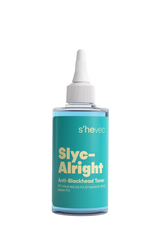
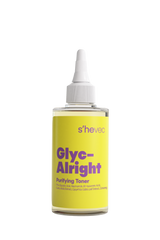
- Evening: Glyc-Alright Glycolic Acid Toner contains 7% glycolic acid and 2% niacinamide, and its pH is 3.5–4.0; it is applied with a cotton pad and not rinsed off. Start with a few evenings a week and do not layer it with another strong exfoliant on the same evening. AHAs can increase the skin's sensitivity to the sun: apply sunscreen every morning while using this product and for one week after you stop.
- Morning: Rice Rice Baby Brightening Rice Toner contains 5% rice extract and 3% niacinamide, and its pH range is 5.5–6.5; it contains no AHA or BHA for exfoliation, and sensitive skin is also among the skin types recommended on its label.
Who should take care?
- Sensitivity to chamomile or yarrow: the formula contains extracts of these plants; if you have a known sensitivity, do not use it.
- Eye area: keep the foam out of your eyes. In case of contact with eyes, rinse thoroughly with water.
- Irritated or cracked skin: wash briefly, with lukewarm water and without rubbing; if irritation persists, take a break from using it.
- Pregnancy, breastfeeding or an ongoing skin condition: although the foam is rinsed off, it contains niacinamide, PHA and plant extracts. If you are pregnant or breastfeeding, or have a skin condition, consult your doctor before use.
Frequently asked questions
Do you need to wash your face in the morning?
The AAD recommends washing the face once in the morning and once in the evening; the morning cleanse is part of this recommendation. If your skin is dry, do a short wash in the morning with less product, then move on to moisturiser and sunscreen.
Can Magic Foam Party be used on sensitive skin?
Sensitive skin is among the skin types recommended on the product's label. Before first use, do a patch test on the inner forearm; if redness or stinging occurs, take a break from using it.
What should you do if your skin feels tight after cleansing?
Tightness may show not that cleansing has worked but that the skin is under strain; cleansing until your skin squeaks is not the goal. Use less product, switch from hot to lukewarm water, stop rubbing and, as the AAD recommends, apply a moisturiser if there is dryness or itching.
Does a foaming face cleanser remove eye make-up too?
The foam should be kept out of the eyes, so do not try to remove eye make-up with it. First dissolve make-up with Mic Drop micellar cleansing water (on a cotton pad, without rubbing) or with a cleansing oil, and sunscreen with a cleansing oil; then wash your face with Magic Foam Party.
Does micellar water remove sunscreen?
Micellar water is also a cleanser that contains surfactants; how far it removes sunscreen depends on the formulas of both the micellar water and the sunscreen, and none of our sources compares them. If you find yourself rubbing your skin when wiping with micellar water, remember the AAD's warning: rubbing irritates the skin. At s'hevec, the micellar water is Mic Drop; according to its label, the product itself does not need rinsing. On days when you use sunscreen or remove make-up, complete your cleanse with a rinse-off cleanser such as Magic Foam Party.
Sources
- American Academy of Dermatology (AAD). Face washing 101.
- Kuehl BL et al. Cutaneous cleansers. Skin Therapy Lett. 2003.
- Blaak J et al. The Relation of pH and Skin Cleansing. Curr Probl Dermatol. 2018.
- Grimes PE et al. The use of polyhydroxy acids (PHAs) in photoaged skin. Cutis. 2004.
- American Academy of Dermatology (AAD). Healthier-looking skin.
This content is for information only and does not replace medical advice. s'hevec products are cosmetic products and are not intended for medical treatment. It was prepared by the s'hevec Team on the basis of the s'hevec product data library and the sources listed above.


