


In winter, skin can feel tight, look flaky and itch even with a routine that works without problems the rest of the year. What changes is not the skin type but the conditions: cold outside and dry, heated air indoors. That is why the routine is not rebuilt from scratch but updated for the season. The order in which to change the steps as autumn turns to winter is explained in the guide to skincare when the seasons change.
In short: In winter, skin dries out because low temperatures and low air humidity weaken its barrier function. A winter routine is updated in four ways: cleansing is kept short and lukewarm; hydration is layered, meaning Hydra Back Baby with 2% 8D hyaluronic acid on slightly damp skin, with Any Time Of Day on top; in the evening, Love In Blue This Time with 2% ceramide complex is added before the cream; and acid toner and peel evenings are reduced. Moisturiser is reapplied whenever the skin feels dry and after washing your hands.
Why does skin get dry in winter?
In winter, skin dries out because low temperatures and low air humidity weaken its barrier function. According to the review by Engebretsen and colleagues, low humidity and low temperatures lead to a general decrease in barrier function and greater susceptibility to mechanical stress; the skin becomes more reactive to irritants and allergens. The review also notes that dry, itchy skin can appear in harsh winter conditions.
What this means for the routine: in winter, friction and harsh cleansing strain the skin more easily, and the skin may react in winter to an acid product that was used without problems in summer. For the signs that the barrier is weakened, see the function of the skin barrier and signs that it is weakened.
Do central heating and indoor air dry out the skin?
If the indoor air is dry, it can increase dryness. The review by Goad and colleagues summarises that symptoms of dry skin appear in low-humidity indoor environments, and that with low humidity the water content of the skin's top layer changes, elasticity decreases and roughness increases; applying moisturising steam increased the water content of the top layer. The review also notes that the findings are not conclusive: ambient humidity alone is not decisive.
The American Academy of Dermatology (AAD) recommends increasing the humidity at home with a humidifier; some heating systems have this feature. A portable device is run in the bedroom while you sleep and cleaned regularly to prevent mould.
How do you update your skincare routine for winter?
In winter the steps stay the same; what changes is how long you cleanse, how many hydrating layers you use and how often you use acid products. The routine builder sets out the basic morning and evening order for your skin type step by step.
| Step | What changes in winter | At s'hevec |
|---|---|---|
| Cleansing | Short, lukewarm water, a small amount of product; pat the skin dry without rubbing | Magic Foam Party Foaming Face Cleanser; use less if your skin feels tight after washing |
| Hydrating serum | Straight after cleansing, on slightly damp skin; morning and evening | Hydra Back Baby, 3–4 drops |
| Barrier serum (evening) | A step containing ceramides is added | Love In Blue This Time, 3–4 drops |
| Cream | On top of the serum; reapplied during the day whenever the skin feels dry | Any Time Of Day, a hazelnut-sized amount |
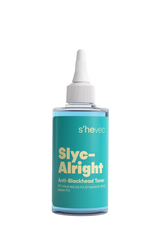
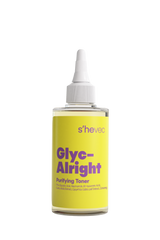
| Acid toner or peel | Fewer evenings; not used on the same evening as the barrier serum | No acid product on Love In Blue This Time evenings |
| Sunscreen | Still the last step of the morning in winter | After the cream |
Hydra Back Baby Hydrating Serum contains 2% 8D hyaluronic acid and 1.2% Pentavitin (saccharide isomerate). A cream on top is needed to hold in the moisture the serum draws in. Any Time Of Day Water-Based Moisturising Cream contains 5% niacinamide and 2% 8D hyaluronic acid and is supported by a ceramide complex and panthenol. Love In Blue This Time Ceramide and Copper Peptide Serum is a serum mainly for the evening that contains 2% ceramide complex and 2% Ethyl Ascorbic Acid (3-O-ethyl ascorbic acid); it is applied after Hydra Back Baby and before the cream.
Any Time Of Day is water-based and silicone-free; on very dry areas prone to cracking, it may not be enough on its own. For dry skin, the AAD recommends a cream or ointment rather than a lotion; a richer ointment can be added on top for these areas. You can find the hydrating serum and creams together among our moisturisers.
You do not need to stop using acid toner or peels in winter; if your skin feels tight or starts to sting, reduce the number of evenings. The AAD recommends taking a break from products containing alcohol, fragrance and retinoids while dryness is noticeable. If dryness persists regardless of the season, our article on the dry skin care routine can guide you.
Do you need sunscreen in winter?
Yes; sunscreen is still the last step of the morning routine in winter. The AAD states that the skin is exposed to UV rays every time you go outdoors, including on cloudy days and in winter. If you use an acid toner or peel in your winter routine, do not skip sunscreen. AHAs can increase the skin's sensitivity to the sun: apply sunscreen every morning while using this product and for one week after you stop. How to use sunscreen in cloudy and snowy weather and on winter holidays is covered in the guide to sunscreen in winter; choosing an SPF and the UV index are covered in the article what is SPF, and the difference between UVA and UVB.
How many times a day should you apply moisturiser in winter?
In addition to your morning and evening routine, whenever your skin feels dry during the day. The AAD recommends applying moisturiser several times a day: after a shower while the skin is still damp, after washing your hands and whenever the skin feels dry; work it in with a gentle massage.
What can a winter routine not do?
- A moisturiser does not cancel out the effect of cold, dry air; it supports the skin against these conditions.
- Love In Blue This Time is not a peel; it does not lift away flakiness through exfoliation.
- Hydra Back Baby and Any Time Of Day are not sunscreens.
When should you see a doctor?
- If dryness persists despite these recommendations; according to the AAD, it may be caused by an underlying health problem.
- If your skin cracks or bleeds, or itching continues despite moisturising.
- If a product you apply, including a moisturiser, causes burning, stinging or irritation.
- If you are considering an anti-itch cream: the AAD recommends asking your doctor first, because some of these creams can irritate very dry skin and make itching worse.
Frequently asked questions
Why does skin itch in winter?
Very dry skin can itch; the AAD also notes that dry skin can flake and crack. Itching that does not ease despite regular moisturising, or that comes with redness, may not be explained by winter dryness alone; consult your doctor to find the cause.
Why does the face go red in cold weather?
A review of sensitive skin reports that environmental factors such as cold, wind and dry air can increase symptoms such as stinging, tightness and redness. Strengthening the hydration step and reducing how often you use acid products in winter supports the skin's comfort. Brief flushing and the look of redness that lasts for days are not the same thing; the difference and how to care for each are covered in the guide to facial redness. If redness persists, spreads or comes with burning and itching, this may be a skin condition; see your doctor for an assessment.
Can oily skin also get dry in winter?
It can; low air humidity can change the water content of the top layer even in skin with high oil production, so skin may feel tight after washing while still getting shiny by midday. If oily skin feels tight in winter, a hydrating serum and a lightweight, water-based cream maintain the hydration step without making the texture feel heavy.
What helps with dry lips?
For dry lips, the AAD recommends a lip balm or petrolatum (petroleum jelly). If you feel stinging or tingling after applying a product, switch to one that does not cause this reaction.
What can you do for dry hands in winter?
The AAD recommends wearing gloves when washing dishes and in cold, dry weather, and carrying a hand cream that does not leave a greasy feel so you can apply it after every hand wash.
Does a wool jumper irritate the skin?
It can on dry and sensitive skin. The AAD states that direct contact with wool or polyester fabric can irritate dry skin and recommends a layer of cotton or silk under rough fabrics.
Sources
- Engebretsen KA et al. The effect of environmental humidity and temperature on skin barrier function and dermatitis. J Eur Acad Dermatol Venereol. 2016.
- Goad N et al. Ambient humidity and the skin: the impact of air humidity in healthy and diseased states. J Eur Acad Dermatol Venereol. 2016.
- American Academy of Dermatology (AAD). Dermatologists’ top tips for relieving dry skin.
- American Academy of Dermatology (AAD). How to apply sunscreen.
- Wollenberg A et al. Sensitive skin: A relevant syndrome, be aware. J Eur Acad Dermatol Venereol. 2022.
This content is for information only and does not replace medical advice. s'hevec products are cosmetic products and are not intended for medical treatment. It was prepared by the s'hevec Team on the basis of the s'hevec product data library and the sources listed above.


